

















Blog
Luxury Digital vs Analog Watches: Tradition, Technology, and Investment Value

Sep
The luxury watch industry stands at a crossroads between centuries-old mechanical craftsmanship and cutting-edge digital technology. Modern collectors choose between traditional analog masterpieces from Rolex and Patek Philippe versus digital offerings like the TAG Heuer Connected and Hublot Big Bang e. The decision goes beyond timekeeping — it’s about heritage versus innovation, permanence versus convenience, and long-term investment potential versus technological gratification.
Analog Luxury Watches: Icons of Craftsmanship
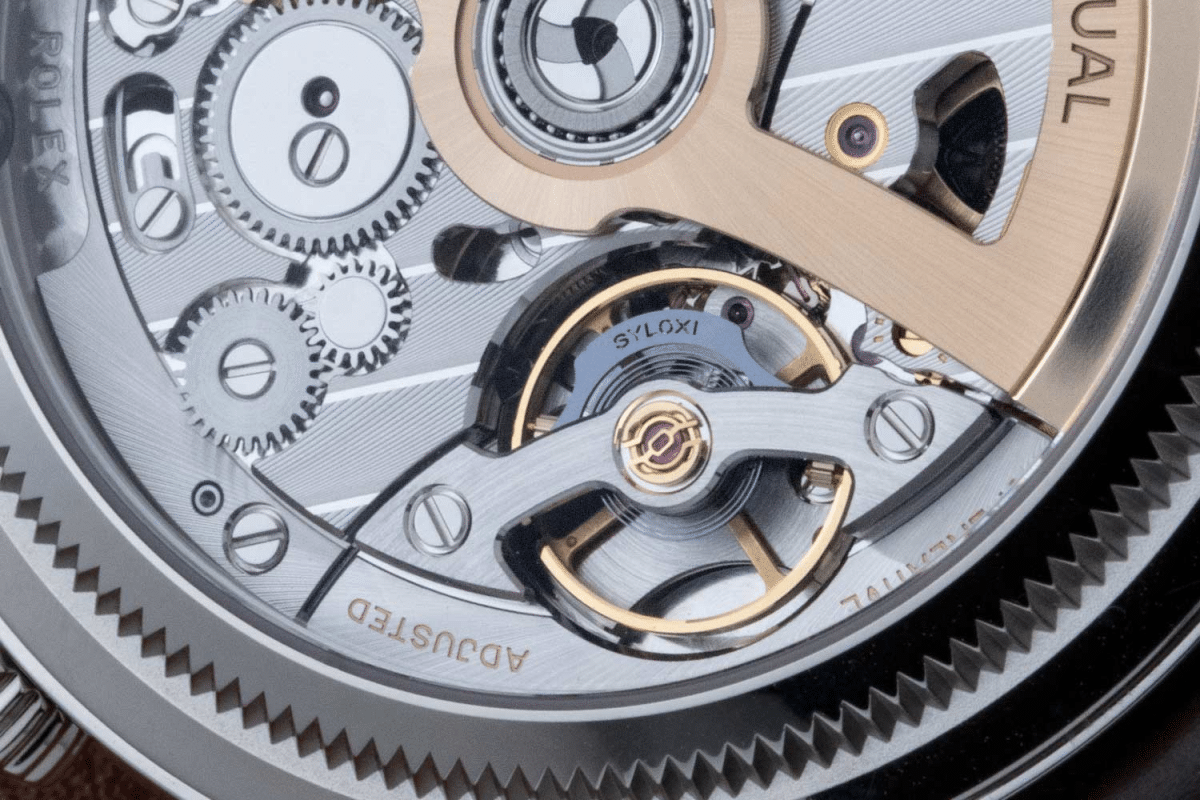
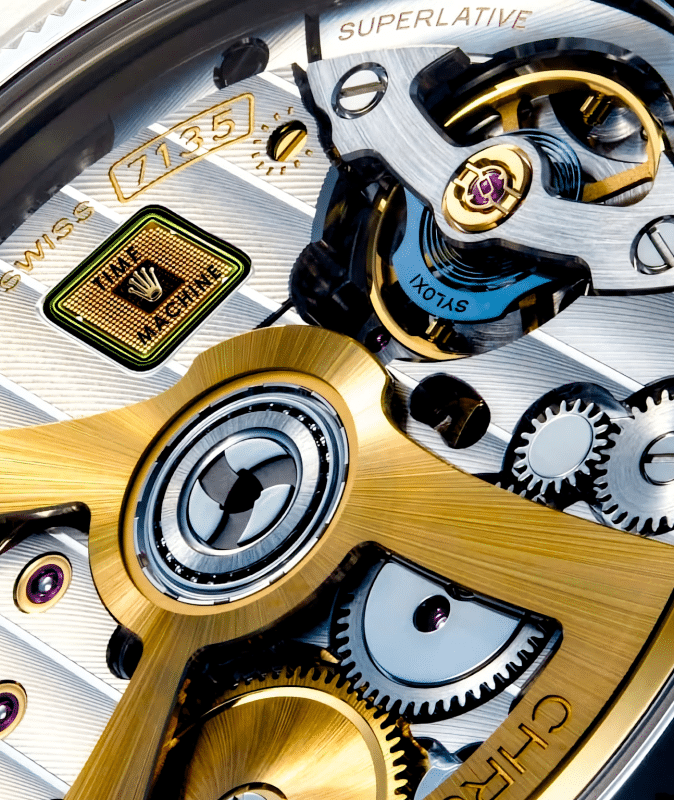
Analog luxury watches represent the pinnacle of mechanical artistry. The Rolex Datejust, Patek Philippe Nautilus, and Audemars Piguet Royal Oak embody centuries of horological tradition. These timepieces feature hand-finished movements with intricate complications that take master craftsmen months to perfect.
Traditional complications like tourbillons, perpetual calendars, and GMT functions showcase the incredible skill required to create these mechanical marvels. Each component — hundreds of microscopic parts working in perfect harmony — represents a direct link to five centuries of Swiss watchmaking heritage.
Browse our authenticated analog luxury watch collection — Rolex, Patek Philippe, and Audemars Piguet.
Digital Luxury Watches: Smartwatch Revolution
The luxury smartwatch segment features three dominant players:
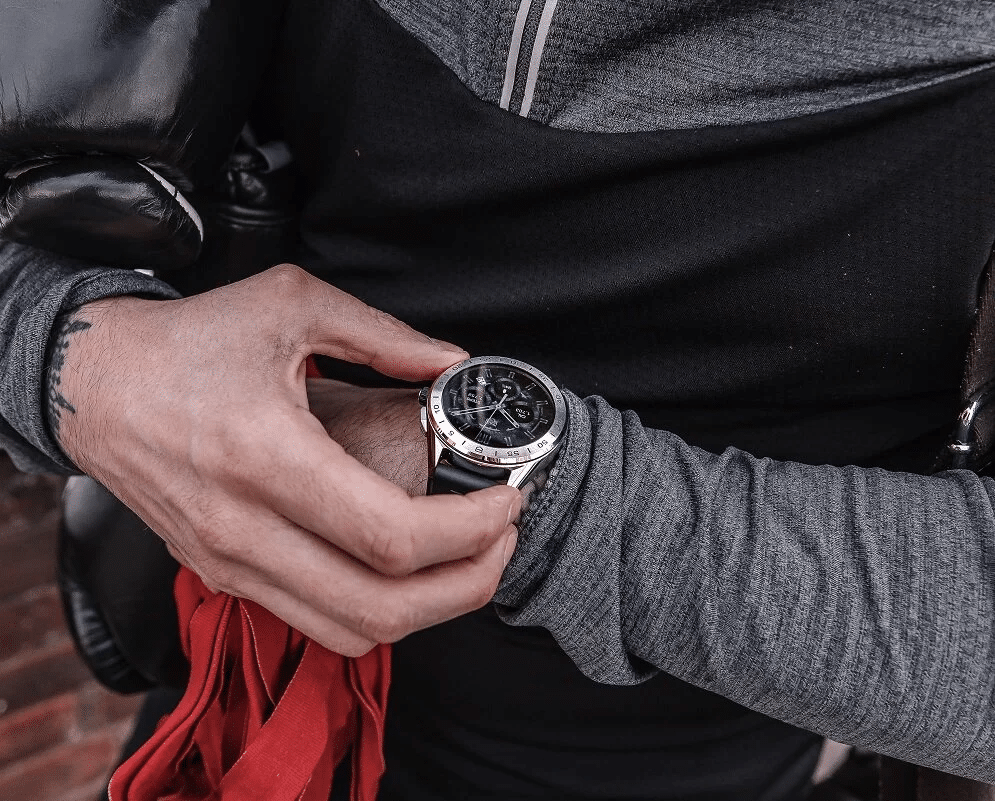
- TAG Heuer Connected — pioneered the category in 2015. Combines Carrera aesthetics with WiFi, GPS, and thousands of apps. Price range: $1,800–$16,000 depending on materials and complications.
- Hublot Big Bang e — 42mm ceramic or titanium case, sapphire crystal touchscreen, 30m water resistance. Priced at $5,800, positioned for tech-savvy luxury consumers.
- Louis Vuitton Tambour Horizon Light Up — features a unique LED ring notification system, combining fashion house identity with digital functionality.
Design and Aesthetics
Analog Excellence
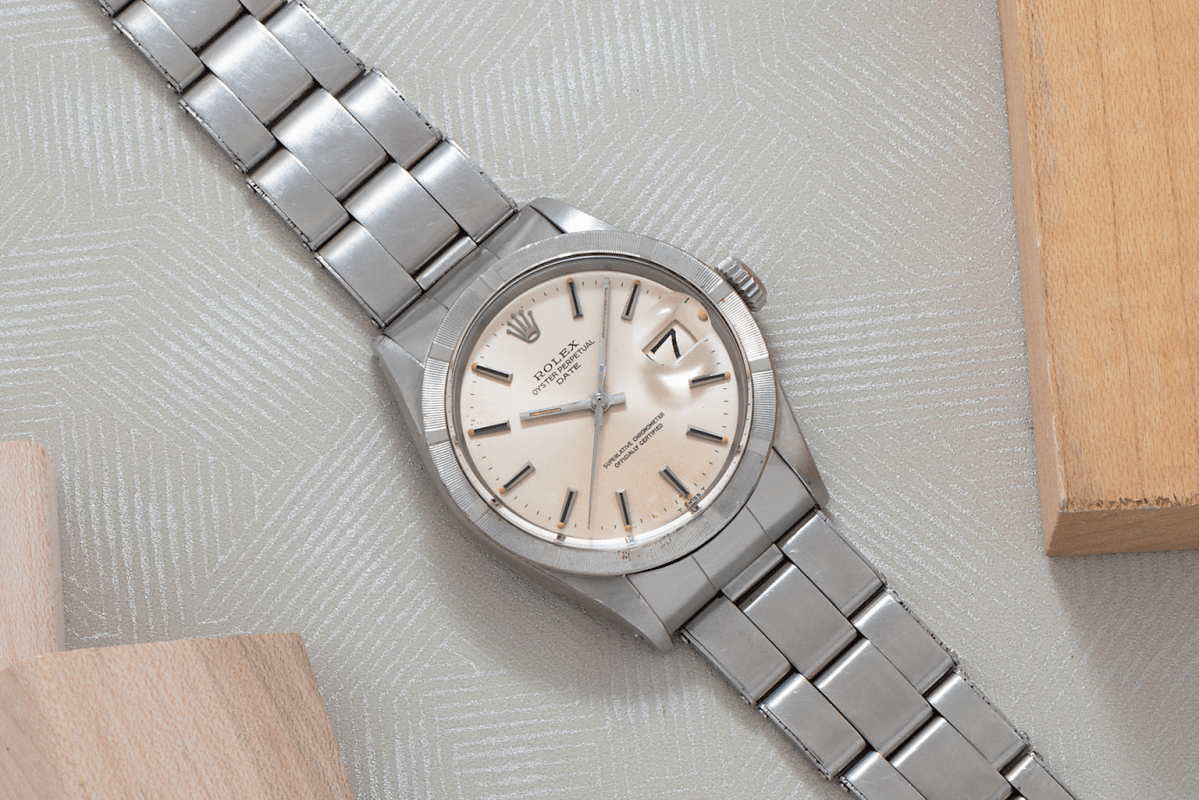
Analog luxury watches showcase timeless design principles. Hand-crafted cases use precious metals — 18k gold, platinum, and 904L Oystersteel. Dials feature guilloché patterns and hand-applied indices. Integrated bracelets require hundreds of hours to perfect, with each link individually polished and beveled.
Digital Innovation
Digital luxury watches use customizable AMOLED displays offering infinite face variations. Materials lean toward titanium and ceramic, optimized for durability. The designs prioritize functionality while maintaining luxury credentials through premium case finishing.
- Materials: Analog uses precious metals; digital emphasizes high-tech alloys
- Customization: Analog offers limited variations; digital provides infinite personalization
- Finishing: Analog features hand-polished surfaces; digital uses precision machining
- Dial aesthetics: Analog showcases mechanical complications; digital displays dynamic interfaces
Functionality & Features
Analog luxury watches excel in mechanical complications. The Patek Philippe Nautilus 5712 features moon phases and power reserve indicators. The Rolex GMT-Master II displays multiple time zones through purely mechanical means — no software, no battery, no obsolescence.
Digital luxury watches offer comprehensive connectivity: heart rate monitoring, GPS tracking, and smartphone notifications. The Louis Vuitton Tambour Horizon Light Up features a unique LED ring system for notifications. But these features depreciate in utility as software ecosystems evolve.
Durability & Longevity
A properly serviced Rolex functions accurately for decades — and can be repaired indefinitely by skilled watchmakers. Mechanical movements use time-tested technologies that don’t become obsolete. These watches become family heirlooms, passed through generations with functionality intact.
Digital luxury watches face rapid obsolescence. Most smartwatches require replacement every 3–5 years due to battery degradation and software end-of-life. The Apple Watch lost 55% of its value within two years of launch. Even premium luxury smartwatches cannot escape this technological lifecycle.
Investment Value: The Numbers
Analog luxury watches have delivered exceptional investment performance. Rolex models show compound annual growth rates of 5–15% over recent decades. The Patek Philippe Nautilus 5711 reached secondary market values exceeding $150,000 on a much lower retail price. These watches maintain strong liquidity across global markets.
Specific models have achieved remarkable appreciation. The discontinued Rolex Daytona “Paul Newman” increased over 600% since 2010. Patek Philippe’s production limits create scarcity that drives collector demand. Auction houses set new records for vintage pieces regularly — as documented by Business Insider’s pre-owned watch data analysis.
Digital luxury watches show negligible resale value. The Samsung Galaxy Gear lost 82.5% of its value within three years. The premium Apple Watch Edition dropped from $10,000 to $200–$750 in the used market. The pace of technological advancement makes older smartwatches functionally and aesthetically obsolete.
Ready to invest in a watch that holds its value? Get a same-day offer for your current piece.
Luxury Digital vs Analog Watches: Key Feature Comparison
| Feature | Luxury Analog | Luxury Digital |
|---|---|---|
| Craftsmanship | Handmade, mechanical | Electronic, software-driven |
| Lifespan | Generations | 3–5 years |
| Investment | High liquidity, collectible | Low, minimal resale value |
| Prestige | Heritage & legacy | Tech-forward lifestyle |
| Example | Rolex Day-Date | TAG Heuer Connected |
Which Should You Buy?
Analog watches represent heritage, legacy, and long-term investment. They appeal to collectors who appreciate mechanical artistry — timepieces that serve as tangible links to horological history and appreciate in value over generations.
Digital watches cater to modern lifestyles and technological integration, offering convenience features like health tracking and connectivity. This functionality comes with the reality of planned obsolescence and minimal resale value — they should be viewed as consumable technology, not lasting assets.
Many serious collectors embrace both categories: the analog watch as the heritage investment anchor, the digital watch as a daily-use convenience tool. This dual approach captures the best of both worlds without compromising long-term value.
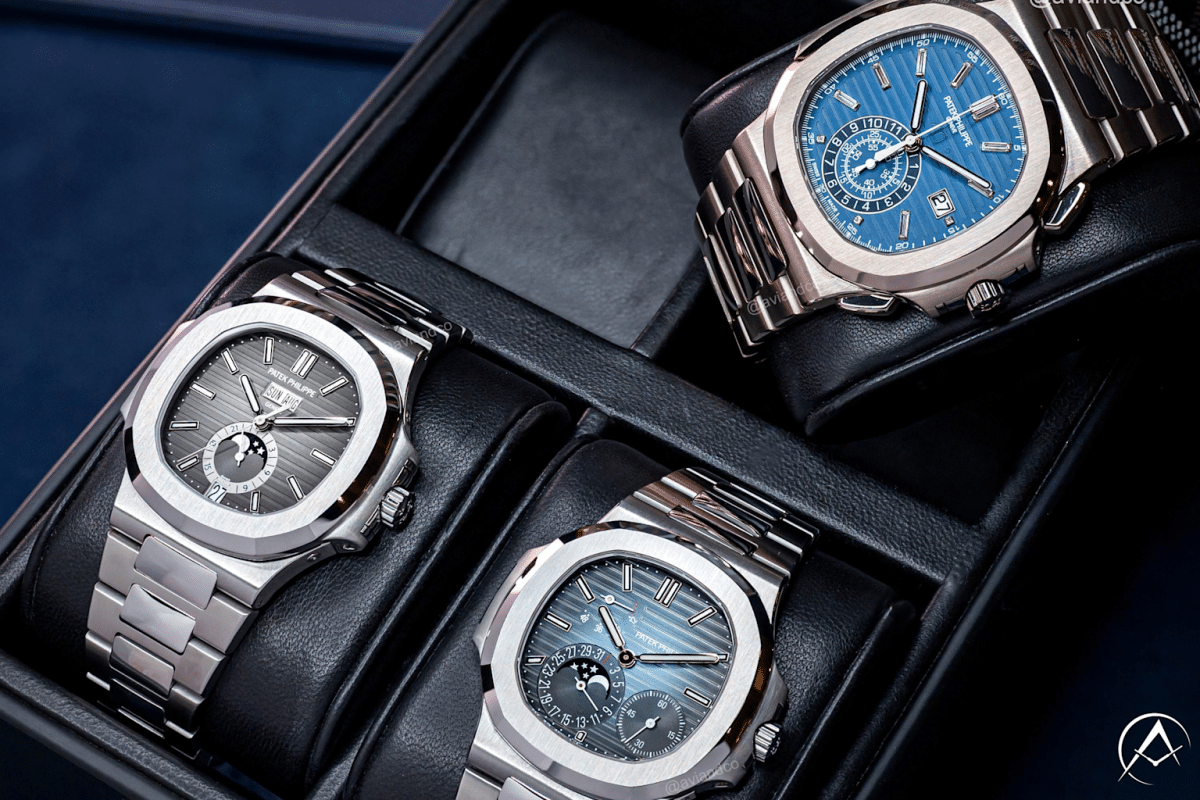
Explore our Patek Philippe collection — watches that appreciate, not depreciate.
FAQ
No. Even premium luxury smartwatches depreciate rapidly. The Apple Watch Edition fell from $10,000 to $200–$750 in the used market. The Samsung Galaxy Gear lost 82.5% of its value within three years. Digital watches should be purchased for utility, not investment.
The discontinued Rolex Daytona “Paul Newman” has increased over 600% since 2010 on the secondary market. It is one of the most dramatic examples of analog luxury watch appreciation — driven by scarcity, provenance, and collector demand.
The TAG Heuer Connected ranges from $1,800 to $16,000 depending on materials (titanium, ceramic, gold) and complications. It pioneered the luxury smartwatch segment in 2015, combining traditional Carrera aesthetics with WiFi, GPS, and app functionality.
Indefinitely with proper servicing. A Rolex requires service approximately every 5–10 years. Mechanical movements use time-tested technologies that skilled watchmakers can repair regardless of age. Many Rolex and Patek Philippe watches from the 1950s and 1960s are still in daily use.
Yes, and many collectors do. The analog watch serves as the heritage investment piece and formal/social timepiece. The smartwatch handles daily fitness tracking and notifications. Wearing both requires switching based on context — business and formal settings favor the mechanical watch.
 Free Shipping for all orders