


















Sep
Understanding how to wind a luxury watch is essential for maintaining accuracy, preserving your investment, and keeping the movement healthy. These timepieces represent centuries of Swiss horological craftsmanship, and proper winding isn’t just about keeping correct time — it ensures lubricants circulate and components move freely, preventing mechanical issues from prolonged inactivity.

Looking for your next mechanical watch? Browse our authenticated Rolex collection.
Understanding the Mechanics
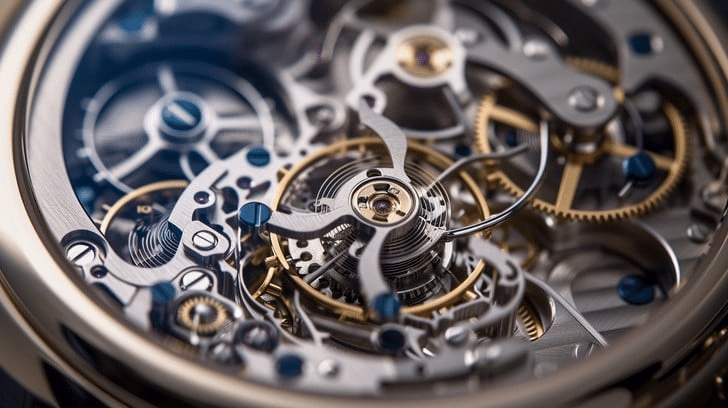
At the heart of every mechanical watch lies the mainspring — a coiled steel ribbon storing energy when wound. This energy travels through gears, wheels, and levers to the escapement, which releases power in precise increments to drive the movement. When you turn the crown, you’re applying tension to the mainspring, storing energy that powers your watch for hours or days.
- Manual-wind watches — require daily winding; typical power reserve 38–72 hours
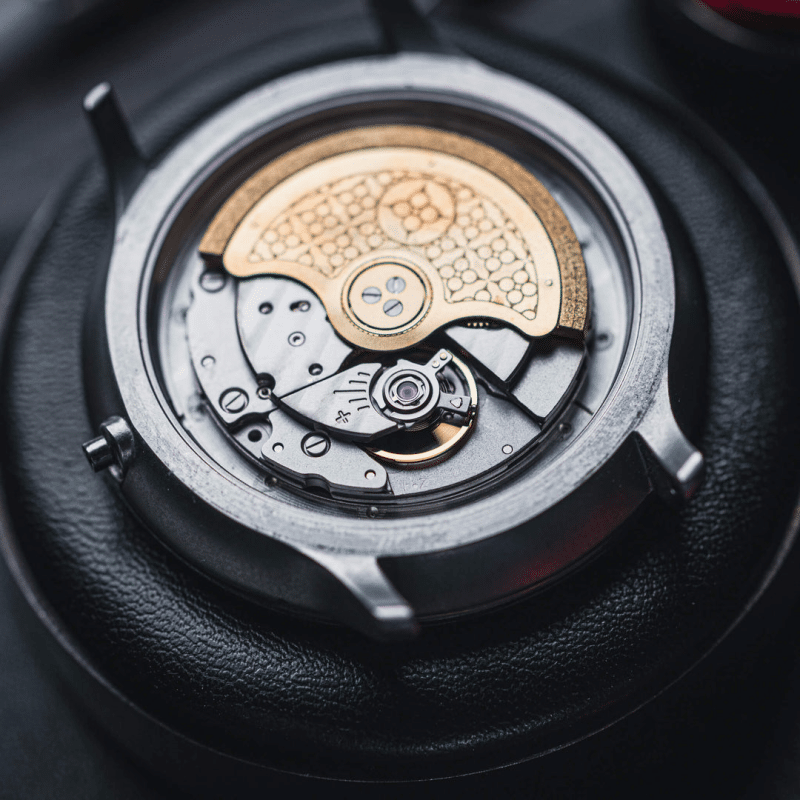
- Automatic watches — the rotor winds the mainspring via wrist movement; can also be wound manually when stopped
Before You Wind: Preparation
- Remove the watch from your wrist — prevents stress on the crown and stem, gives better control
- Clean and dry hands — avoid transferring oils or moisture to the case
- Work on a soft, stable surface — watch cushion or clean folded cloth to prevent drops and scratches
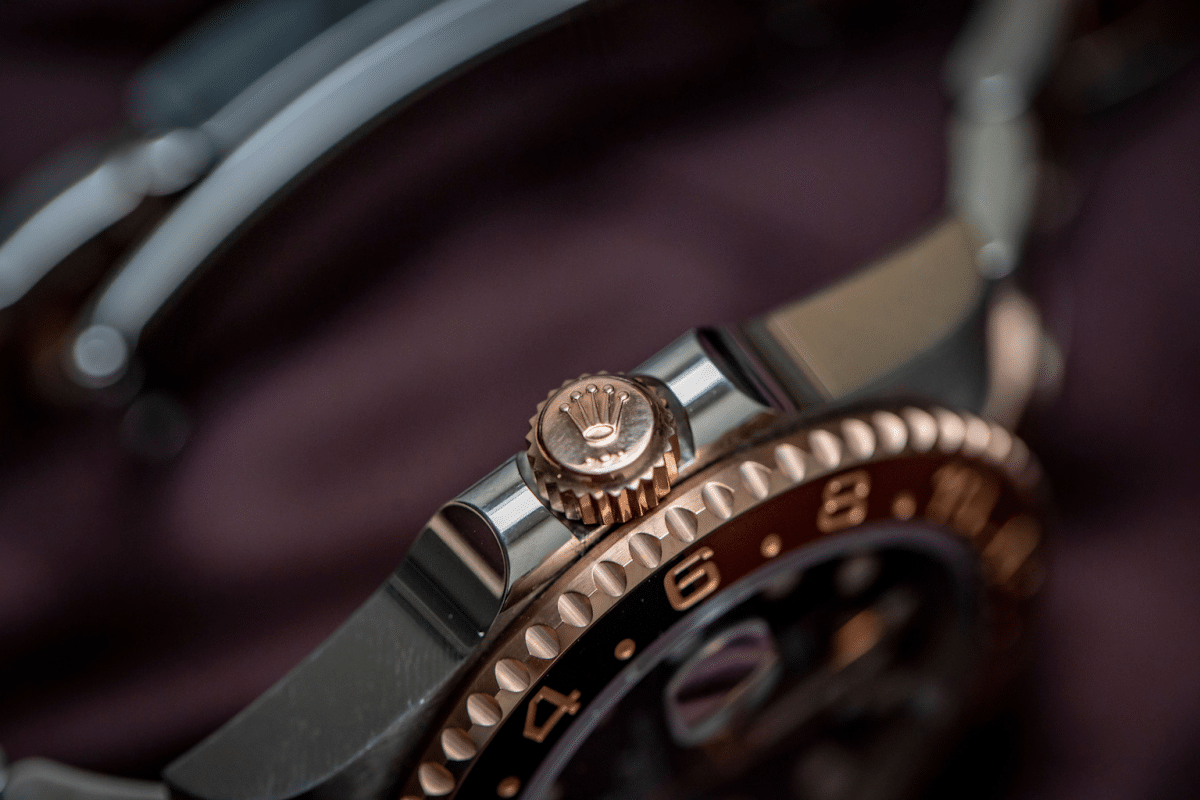
- Identify crown type — push-pull crowns pull straight out; screw-down crowns (Rolex Submariner, GMT-Master II, Datejust) must be unscrewed counterclockwise first. Never force a screw-down crown.
Step-by-Step Winding Process
Step 1 — Release the Crown
Push-pull crown: Grasp the crown between thumb and forefinger and pull it straight out to the first position. You should feel a subtle click as it engages the winding mechanism.
Screw-down crown: Turn counterclockwise until the crown pops out slightly, then pull to the winding position. Move freely once properly unscrewed — never force it.
Step 2 — Wind the Crown
Hold the watch securely in your non-dominant hand. Grip the crown with thumb and forefinger and turn clockwise with gentle, consistent pressure — this is universal for mechanical watches regardless of brand. Count approximately 20–40 full rotations for most watches (varies by model and power reserve). You should feel smooth resistance that gradually increases as the mainspring builds tension.
Stop immediately when you feel significant resistance. Over-winding can damage the mainspring or other components and result in expensive repairs.
Step 3 — Secure the Crown
Push-pull crown: Press firmly back to its original position until you feel it click into place.
Screw-down crown: Push the crown in while simultaneously turning clockwise until it threads back into the case. Continue until snug against the case — this restores water resistance.
Winding Frequency & Tips
- Manual watches — wind daily at the same time, preferably morning, for consistent power delivery
- Automatic watches — only need manual winding after periods of inactivity; daily wear through natural movement is usually sufficient
- Multiple-watch collectors — consider a quality watch winder to keep automatic movements wound when not worn
- Power reserve indicators — if your watch has one, use it to determine optimal winding frequency and prevent unexpected stops

Common Mistakes to Avoid
- Forcing a stuck crown — indicates either a screw-down crown needing unscrewing, or an internal issue requiring service. Forcing can break the crown or damage the stem.
- Winding while wearing — unnecessary stress on crown and stem; difficult to gauge proper tension at an awkward angle
- Ignoring resistance — when you feel the mainspring reaching full tension, stop. Over-winding is one of the most preventable causes of watch damage.
- Skipping regular servicing — even perfectly wound watches need professional attention every 3–5 years to replace worn parts, refresh lubricants, and verify water resistance

Ready to upgrade your collection? Get a competitive offer for your current Rolex.
FAQ
Most mechanical watches require 20–40 full clockwise rotations to reach full wind. The exact number depends on the specific movement and its power reserve. Stop when you feel significant resistance — the mainspring is fully tensioned. Never continue past this point.
Yes. Over-winding can damage the mainspring or the click mechanism. Modern luxury watches often have slipping-mainspring designs that reduce this risk, but the safest approach is always to stop when you feel firm resistance during winding.
Only when it has stopped from inactivity. If you wear your automatic watch daily, natural wrist movement through the rotor provides sufficient winding. When an automatic watch has stopped, 20–30 clockwise crown rotations will restore power reserve before putting it back on.
Screw-down crowns are common on dive watches and sports models — Rolex Submariner, GMT-Master II, Explorer II, and Datejust all use them. A screw-down crown will not pull out until you rotate it counterclockwise to unthread it from the case. If your crown feels locked and won’t pull out, it’s screw-down.
Every 3–5 years, regardless of how carefully you wind and maintain it. Servicing replaces worn components, refreshes lubricants (which degrade over time even when the watch runs correctly), and verifies water resistance seals. Delaying service can turn minor maintenance into major repairs.
 Free Shipping for all orders