LUXURY WATCH RENTAL
Want to Rent a Watch for an Special Occasion?

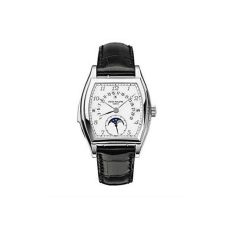
COMPLICATIONS

Leather Strap

Leather Strap

Leather Strap

Leather Strap

Leather Strap

Leather Strap

Leather Strap

Leather Strap

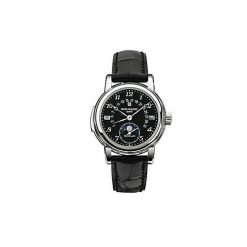
PATEK PHILIPPE

Leather Strap

Leather Strap

Leather Strap

Leather Strap

Leather Strap

Leather Strap
Leather Strap

Leather Strap

Leather Strap

Leather Strap

Leather Strap

Leather Strap

Leather Strap

Leather Strap
Grand Complications is Patek Philippe's collection name, rather than a rule requiring every watch to contain the same number of functions. A perpetual calendar such as the 5320 focuses on calendar information; the 5270 adds a chronograph; a split-seconds chronograph such as the 5370 measures intermediate times. Minute repeaters sound the time on demand. Decide which of these functions interests you before comparing metals or dial colors.
For calendar watches, look at how quickly you can read the day, date and month. Apertures, subdials and retrograde displays arrange the same information differently. On the wrist, case thickness and lug shape matter as much as diameter, especially when choosing a watch to wear under a cuff.
These are individual asking prices and may change. Compare condition, service history, dial and case configuration, included documents and accessories. There is no fixed percentage premium for a box or papers, and the price of one reference is not a guide to every other Grand Complication.
A perpetual calendar follows different month lengths and the leap-year cycle while the watch is running. An annual calendar is a different mechanism and normally needs correction at the end of February. Patek Philippe's 5320 instructions describe its perpetual-calendar displays and the correct setting procedure.
A standard chronograph records elapsed time. A split-seconds chronograph adds a second chronograph seconds hand that can pause for an intermediate reading while the other continues. This is not the same as a flyback function. The 5370P-011 instructions explain how its split-seconds mechanism operates.
For a minute repeater, assess the complete chiming sequence and the mechanism's operation with a qualified specialist. Sound recordings can help compare examples, but they do not establish mechanical condition. Calendar correctors, chronograph pushers and repeater slides should be operated according to the instructions for that particular reference.
Ask what the service documentation actually covers: a dated invoice with a clear scope is more useful than a general claim that a watch has been serviced. Examine the case contours, hallmarks, dial, hands and clasp, and establish which accessories accompany the watch. A seal or engraving alone is not proof of authenticity. Replacement components and refinishing should be considered as part of the watch's history.
No. The collection includes different types of advanced watchmaking, rather than one compulsory combination of functions. The 5320 is a perpetual calendar, the 5370 is a split-seconds chronograph, and the 5270 combines a perpetual calendar with a chronograph. Choose by the actual functions of the reference.
A perpetual calendar accounts for differing month lengths and the leap-year cycle while running. An annual calendar distinguishes 30- and 31-day months but normally needs correction at the end of February. Both may need resetting after the watch has stopped; "perpetual" does not mean it runs without winding or maintenance.
No. The 5320 is self-winding, while the 5270 and 5370 are manually wound. An automatic watch also needs enough movement or manual winding to maintain its reserve. Choose the winding routine you prefer, particularly if you alternate between watches and want to keep a calendar running.
It lets you read an intermediate time without stopping the main chronograph. One of the two chronograph seconds hands pauses while the other continues; releasing the paused hand lets it catch up. A flyback chronograph instead lets you reset and restart timing in one operation. The terms describe different mechanisms.
Follow the instructions for the exact reference first. Calendar setting has an order and may have restricted adjustment periods; pressing correctors indiscriminately can damage the mechanism. If the displayed calendar is far from the current date or the procedure is unclear, have a qualified watchmaker set it.
 Free Shipping for all orders