

















Blog
The Ultimate Guide to Aviator Watches: History, Brands & Buying Guide
Sep
Aviator watches are among the most iconic and functional timepieces in watchmaking. Their history traces back to the earliest days of flight, and today these watches blend tradition, adventure, and precise engineering. For luxury collectors, aviation fans, and buyers seeking a stylish timepiece, aviator watches offer timeless appeal across a wide price range — from accessible Hamilton field watches to haute horlogerie from Patek Philippe.
Browse IWC Pilot’s Watch — the definitive luxury aviation collection.
History of the Aviator Watch
Born in the Cockpit: The Cartier Santos
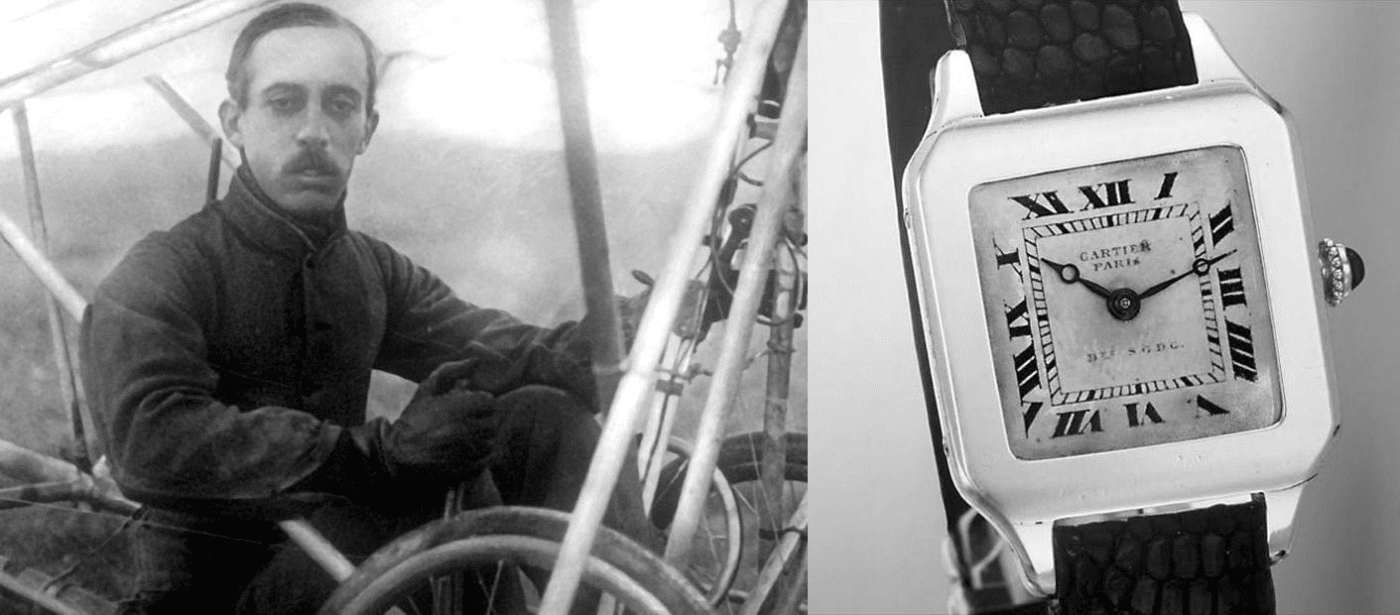
The story begins with the Cartier Santos, created for aviation pioneer Alberto Santos-Dumont. He needed a wristwatch for easy time-reading in the cockpit — a challenge that sparked the first true pilot watch. Santos-Dumont’s request led Cartier to design a square-cased wristwatch with bold numerals and visible hands, setting the design language for all future aviator watches.
Military Influence: WWI to Cold War
Early pilot watches grew larger and more legible for battlefield and cockpit use. WWII saw the emergence of rugged standards: luminescent dials, reliable movements, anti-magnetic cases, and rotating bezels. GMT functions were later added to help pilots track multiple time zones during transcontinental operations — a feature born directly from the needs of commercial aviation in the 1950s. The Rolex GMT-Master was originally developed for Pan Am pilots in 1954, establishing a standard that endures today.
Key Features of Aviator Watches
Distinctive design and functional traits set aviator watches apart from other luxury tool watches:
- Case size — typically 40–55mm for maximum cockpit legibility
- Dial — bold Arabic numerals, high-contrast colors, luminous indexes
- Crown — oversized for operation with gloves
- Chronograph — for timing flight segments
- Slide rule bezel — for aeronautical calculations (fuel, speed, distance)
- GMT hand — to track a second time zone
- Anti-magnetic movement — protection against cockpit interference
- Case material — stainless steel or titanium; sapphire crystal
Types of Aviator Watches & Price Ranges
| Type | Key Feature | Example Model | Price Range |
|---|---|---|---|
| Pilot Watches | Large, legible dial | IWC Big Pilot 43mm | $4,000–$15,000 |
| GMT Watches | Dual time zone display | Rolex GMT-Master II | $8,000–$40,000 |
| Chronograph Aviator | Flight timing + slide rule | Breitling Navitimer B01 | $5,000–$25,000 |
| Field Watches | Rugged military durability | Hamilton Khaki Aviation | $500–$3,000 |
| Dive/Aviation Hybrid | Water resistance + precision | Breitling Superocean Heritage | $2,000–$8,000 |
Top Luxury Aviator Watch Brands
IWC Pilot’s Watch
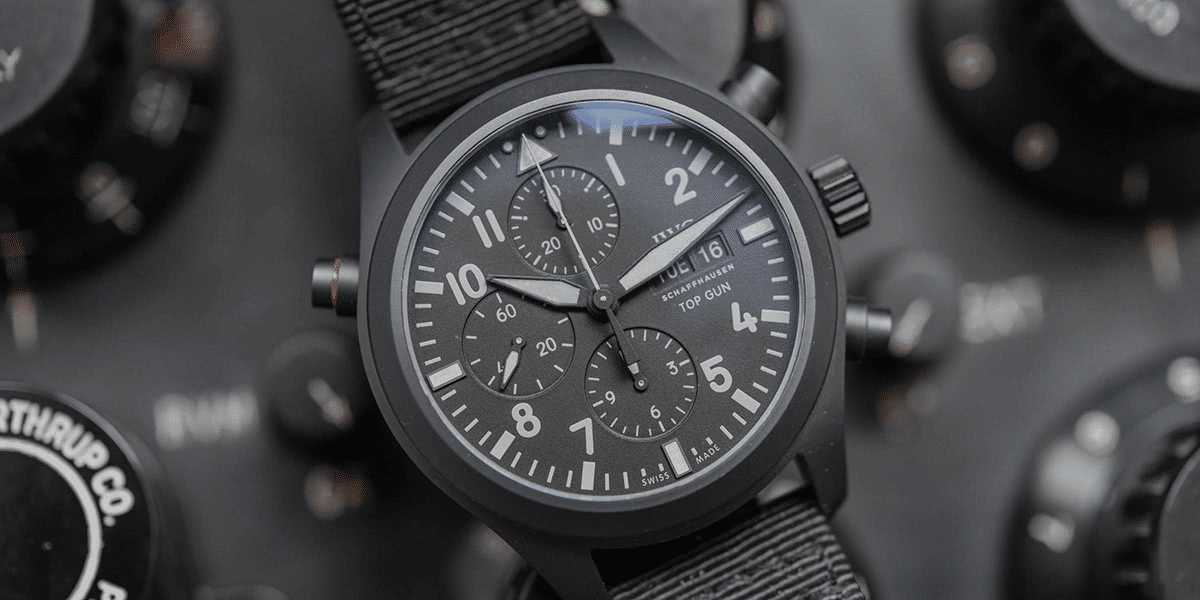
Famous for its heritage and oversized dial, IWC offers timeless precision and style. The Big Pilot series is the definitive modern pilot watch — large enough to read at a glance, refined enough for a business dinner. Price: $4,000–$15,000.
Rolex GMT-Master II
An icon for world travelers, the GMT-Master II introduced the dual time zone function and set the standard for luxury pilot watches. Iconic colorways — “Pepsi,” “Batman,” “Root Beer” — are among the most sought-after references in the secondary market. Price: $8,000–$40,000+.
Breitling Navitimer
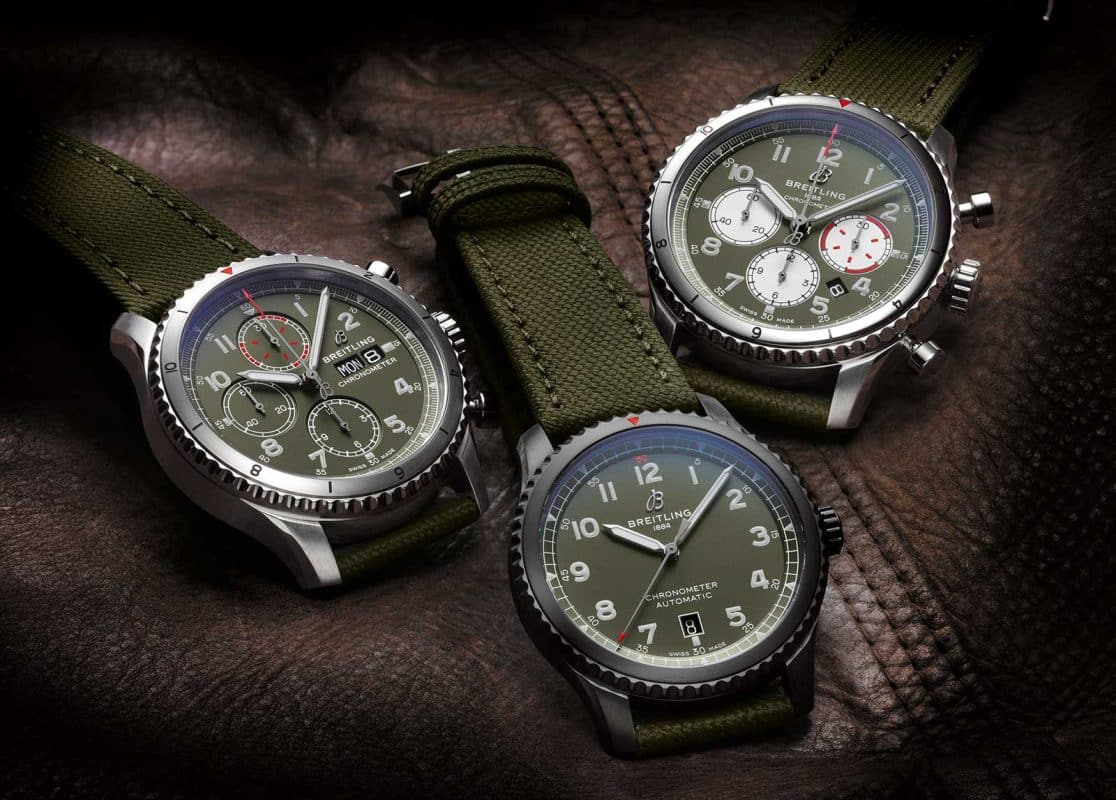
The definitive chronograph aviator watch — renowned for its slide rule bezel enabling in-flight aeronautical calculations. The Navitimer has been worn by pilots since 1952 and remains Breitling’s most iconic model. The modern Navitimer B01 Chronograph 43 with in-house movement: $8,000–$12,000.
TAG Heuer Carrera
Aviation and auto-racing roots combined with contemporary elegance. Modern Carrera models blend heritage design with advanced movements at accessible luxury price points. Price: $3,000–$15,000.
Patek Philippe Calatrava Pilot Travel Time
Haute horlogerie meets pilot function. The Calatrava Pilot Travel Time blends Patek’s dress watch refinement with a practical dual-timezone complication — for collectors who want the pinnacle of the category. Price: $40,000–$60,000+.
Looking for a Breitling Navitimer or Superocean? Browse current inventory.
How to Choose the Right Aviator Watch
The right choice depends on how you’ll actually use it. Frequent international travelers benefit most from a GMT complication — the Rolex GMT-Master II is the definitive daily-use choice. Pilots or aviation enthusiasts who want authentic instrument heritage should look at the Breitling Navitimer or IWC Big Pilot. For pure luxury with pilot aesthetics, the Patek Philippe Calatrava Pilot Travel Time is unmatched. Budget-conscious buyers can find excellent value in the Hamilton Khaki Aviation line at $500–$3,000.
On sizing: larger cases (43–46mm) honor the original aviator tradition and improve legibility, but consider wrist size and daily wear comfort. Titanium cases offer significant weight reduction compared to steel — relevant for all-day wear. Always prioritize sapphire crystal for scratch resistance.
Maintenance
- Wipe the case regularly with a soft cloth; avoid abrasive materials on sapphire
- Store away from magnetic objects — cockpit instruments and electronics can affect movement accuracy
- Service every 3–5 years at an authorized service center
- Replace battery in quartz models before depletion to prevent leakage damage
Browse Rolex GMT-Master II — the traveler’s pilot watch of choice.
FAQ
An aviator watch is defined by design features developed for cockpit use: large legible dial (40–55mm), bold Arabic numerals, luminous indexes, oversized crown operable with gloves, and often a chronograph or GMT function. The category traces back to the Cartier Santos (1904), designed for pilot Alberto Santos-Dumont.
For GMT functionality: Rolex GMT-Master II ($8K–$40K+) is the gold standard. For pure pilot heritage: IWC Big Pilot ($4K–$15K). For aviation chronograph: Breitling Navitimer B01 ($5K–$25K). For haute horlogerie: Patek Philippe Calatrava Pilot Travel Time ($40K+).
A slide rule bezel is a circular calculator on the watch bezel, designed for aeronautical calculations — fuel consumption, airspeed, distance, and unit conversions. It was essential for pre-digital aviation. The Breitling Navitimer is its most famous example, featuring the slide rule since 1952.
The best value retention comes from Rolex GMT-Master II (consistently above retail), followed by IWC Big Pilot and Breitling Navitimer which hold value well. Hamilton Khaki models depreciate more. Original papers, box, and complete set condition are critical for maximum resale value across all brands.
Traditional aviator watches run 42–46mm, honoring their cockpit heritage. Modern buyers often prefer 40–43mm for all-day wearability. The IWC Big Pilot comes in 43mm and 46mm variants. The Rolex GMT-Master II at 40mm balances heritage proportions with contemporary wrist comfort.
 Free Shipping for all orders