

















Sep
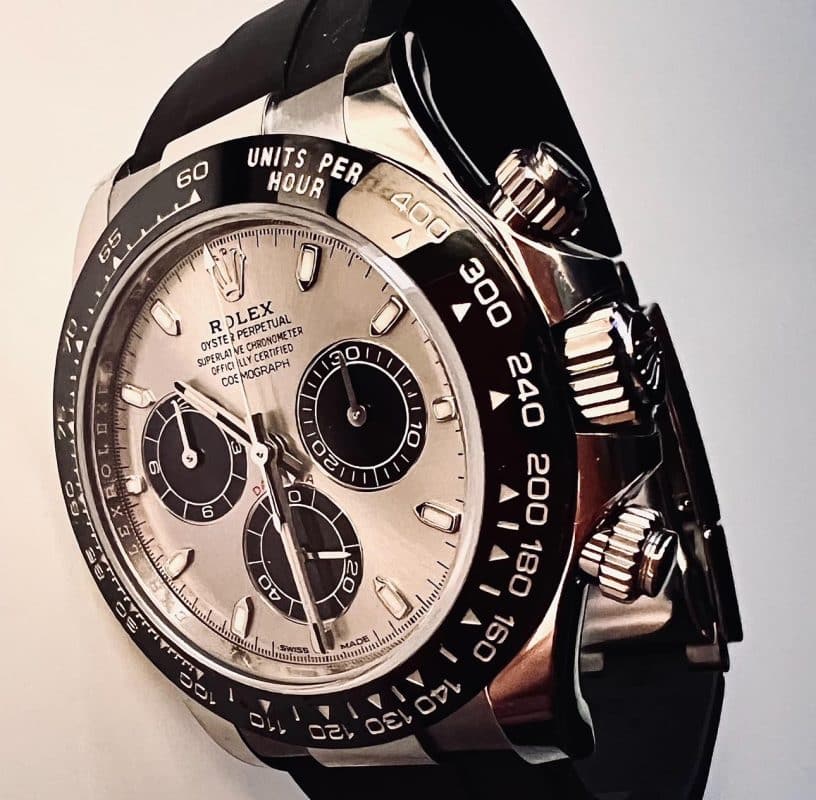
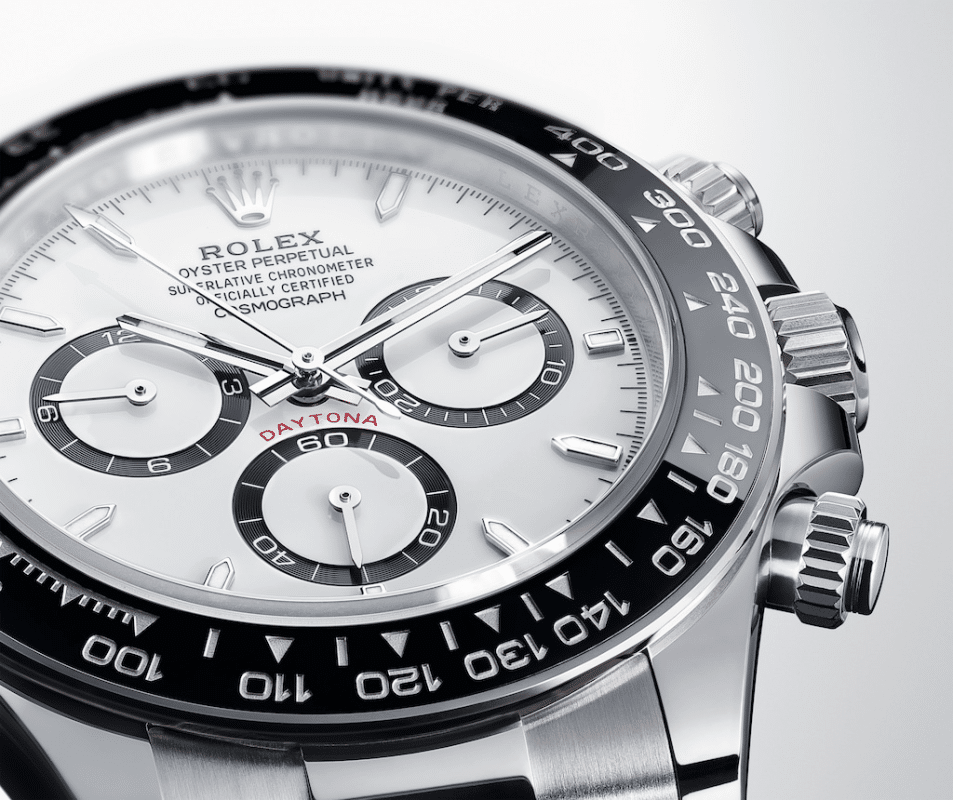
The Rolex Cosmograph Daytona is one of the most coveted timepieces in luxury watchmaking history. Rolex Daytona values have shown remarkable resilience — steel models trade around $25,000–$30,000, while rare vintage pieces fetch hundreds of thousands at auction. Understanding how to sell strategically is crucial for maximizing your return.
Ready to sell your Rolex Daytona? Get a same-day competitive offer from our specialists.
Understanding the Value of Your Rolex Daytona
The Legendary Heritage That Drives Demand
The Daytona’s extraordinary value stems from its motorsport heritage. Launched in 1963 and named after Daytona, Florida, it was designed specifically for professional racing drivers. The chronograph’s tachymeter bezel made it an essential tool for measuring elapsed times on the track.
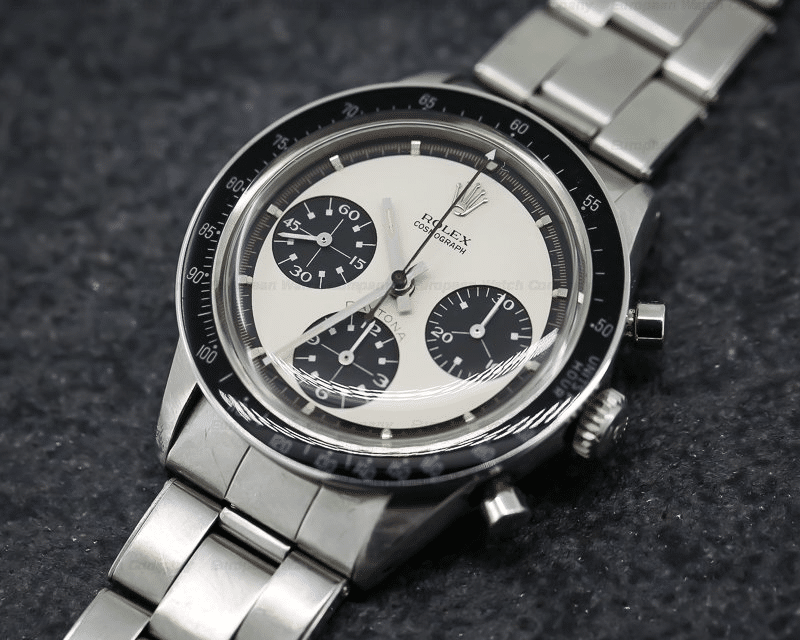
The model’s legendary status was cemented by its association with Paul Newman, whose personal Daytona sold for a record-breaking $17.75 million in 2017. This transformed certain references into some of the most valuable watches ever produced, with vintage “Paul Newman” dials commanding astronomical prices today.
Market Dynamics and Investment Appeal
Supply constraints from Rolex, coupled with sustained global demand, have created a secondary market where prices often exceed retail values significantly. Modern steel Daytonas with ceramic bezels typically sell for nearly double their retail price of $15,500. According to WatchCharts data, the Daytona peaked at $53,911 in March 2022, then corrected to $27,642 before recovering to ~$37,995 — demonstrating both speculative interest and enduring collector appeal.
Key Features That Determine Rolex Daytona Value
Model Reference and Material Composition
The specific reference significantly impacts your price potential. Current steel models like the 126500LN command the highest premiums. Precious metal variants show different dynamics:
- Stainless Steel Models: $17,730–$30,000 depending on condition and availability (retail: $15,500)
- Two-Tone Gold/Steel: $15,956–$17,600, more accessible entry points
- Solid Gold Variants: $31,841–$48,400 for rose/yellow gold; platinum models reaching $93,956+
- Limited Editions: The “Le Mans” model trades at ~$420,000 — 583% above retail
- Meteorite Dial (126515LN): ~$150,000 vs. $43,750 retail — exotic materials drive collector premiums
Condition Assessment and Documentation
- Movement Health: A properly functioning chronograph with smooth pushers and accurate timekeeping is essential. Over-polishing or incorrect parts can significantly reduce worth.
- Original Components: Maintaining original dial, hands, bezel, and bracelet is crucial. Replaced parts reduce value by 10–20% or more depending on the component.
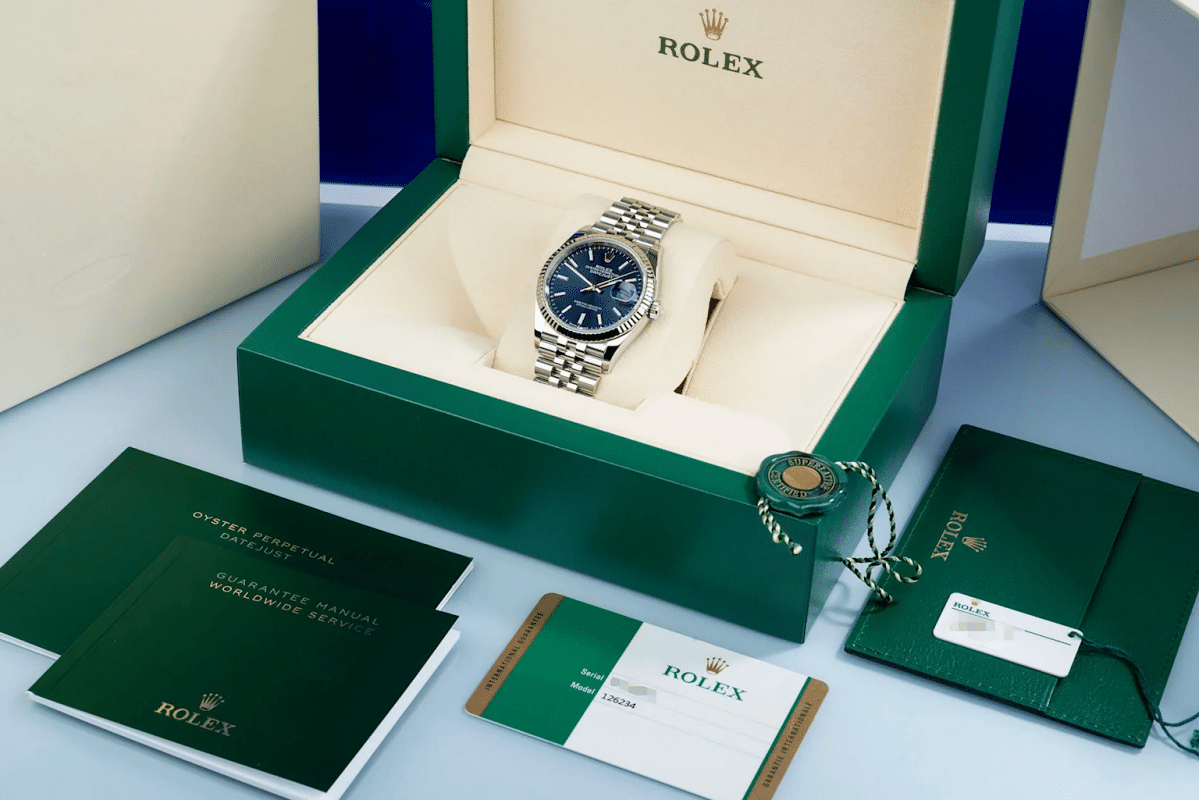
- Complete Documentation: Original box, papers, and warranty cards add 20–30% to resale value. Authentication provided by original papers is particularly valuable given the prevalence of high-quality counterfeits.
Rarity and Special Characteristics
Vintage models with exotic “Paul Newman” dials represent the pinnacle of collectibility. Even non-celebrity vintage Daytonas from the 1960s–1980s typically start around $50,626 for early references. Per Quill & Pad’s 15-year secondary market analysis, Daytona’s long-term appreciation trajectory remains among the strongest in the entire Rolex lineup.
Preparing Your Rolex Daytona for Sale
Professional Cleaning and Presentation
- Case and Bracelet Care: Gentle cleaning removes accumulated dirt and oils. Avoid aggressive polishing that alters case geometry or removes hallmarks. Professional cleaning costs $50–150 but can add hundreds to your selling price.
- Crystal and Bezel: Sapphire crystal should be spotless; bezel should rotate smoothly. Ceramic bezels must be pristine — any significant damage requires replacement before sale.
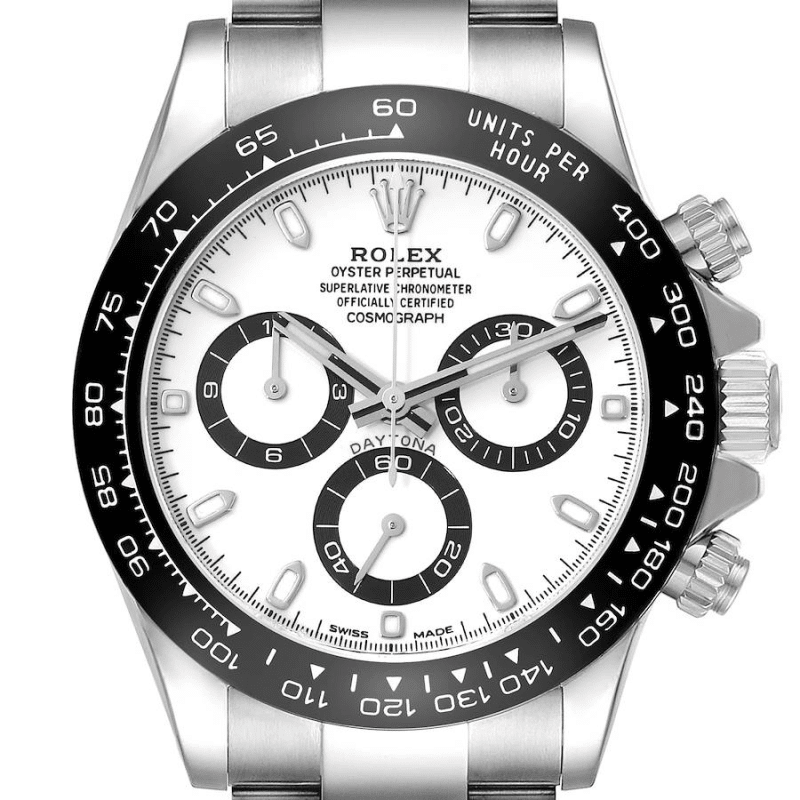
Service Considerations
Servicing costs $750–1,200 and takes several weeks at an authorized Rolex service center. Evaluate whether the potential value increase exceeds these costs. If the watch runs well, a written condition assessment from a certified watchmaker — as an alternative to full service — can reassure buyers without the full expense. Always compile original papers, warranty card, instruction booklets, chronometer certification, and any service records.
Looking for a Daytona? Browse our authenticated pre-owned collection.
Setting the Right Price
- Research completed sales — not just asking prices — for accurate market data
- Factor in platform fees — typically 6.5–15% depending on the selling venue
- Reference specifics matter — condition, originality, set completeness, and service history impact value more than headline averages
- Build in negotiation room while remaining competitive with similar listings
Pro Tip: Avoid pricing significantly below market value — this raises authenticity concerns among experienced buyers. Patience often rewards sellers with better offers as the right collector emerges.
Choosing the Right Platform to Sell Your Rolex Daytona
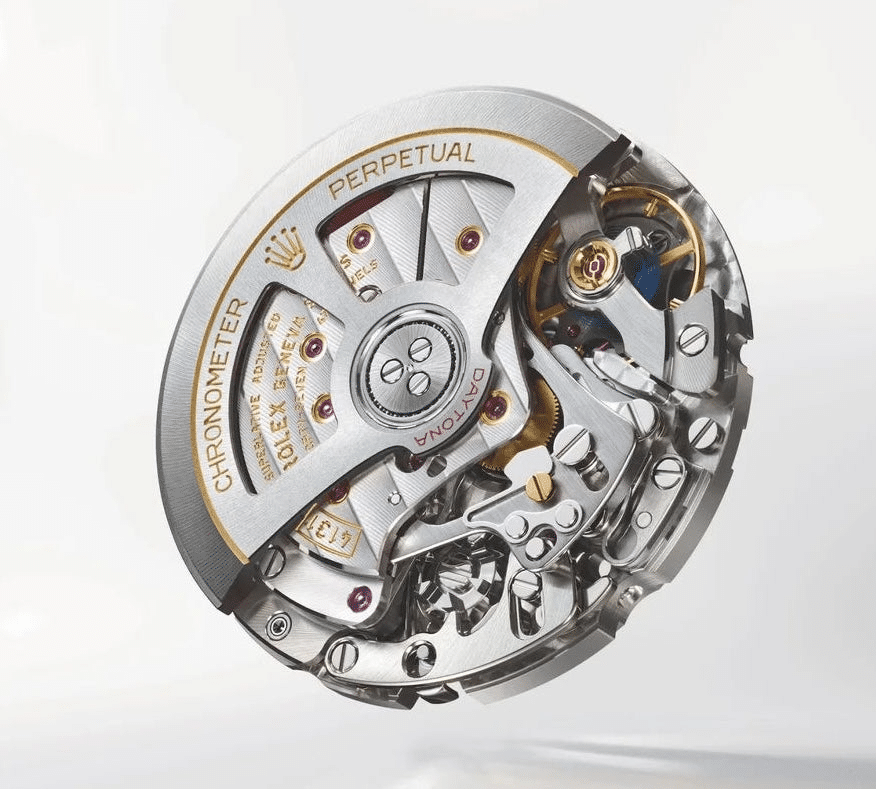
The Daytona’s status as Rolex’s most prestigious chronograph means buyers and sellers have multiple viable routes — each with different trade-offs on speed, net proceeds, and control.
| Platform | Commission / Fee | Best For | Trade-offs |
|---|---|---|---|
| Online Marketplaces (e.g. Chrono24) | ~6.5% | Modern references, wide buyer pool | DIY listing, shipping risk, time investment |
| Professional Dealer / Consignment | 15–25% | Speed, reduced transaction friction | Higher commission, less pricing control |
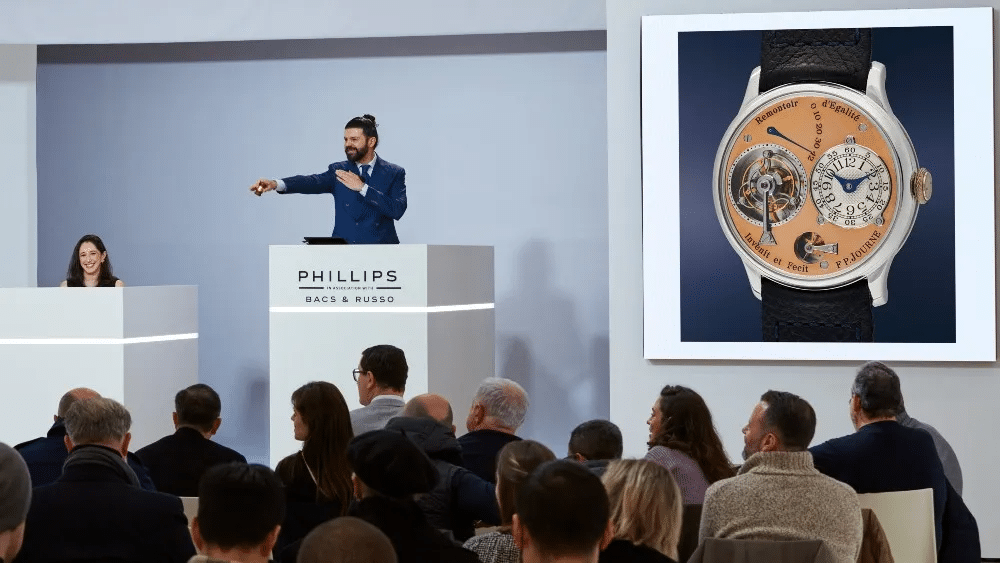
| Auction Houses (Phillips, Christie’s, Sotheby’s) | 25–30% total | Rare refs, Paul Newman dials, $50K+ pieces | Results never guaranteed, long timeline |
| Private Sale / Watch Forums | 0% | Knowledgeable buyer communities | Authentication, payment, shipping responsibility |
Marketing Your Rolex Daytona Effectively
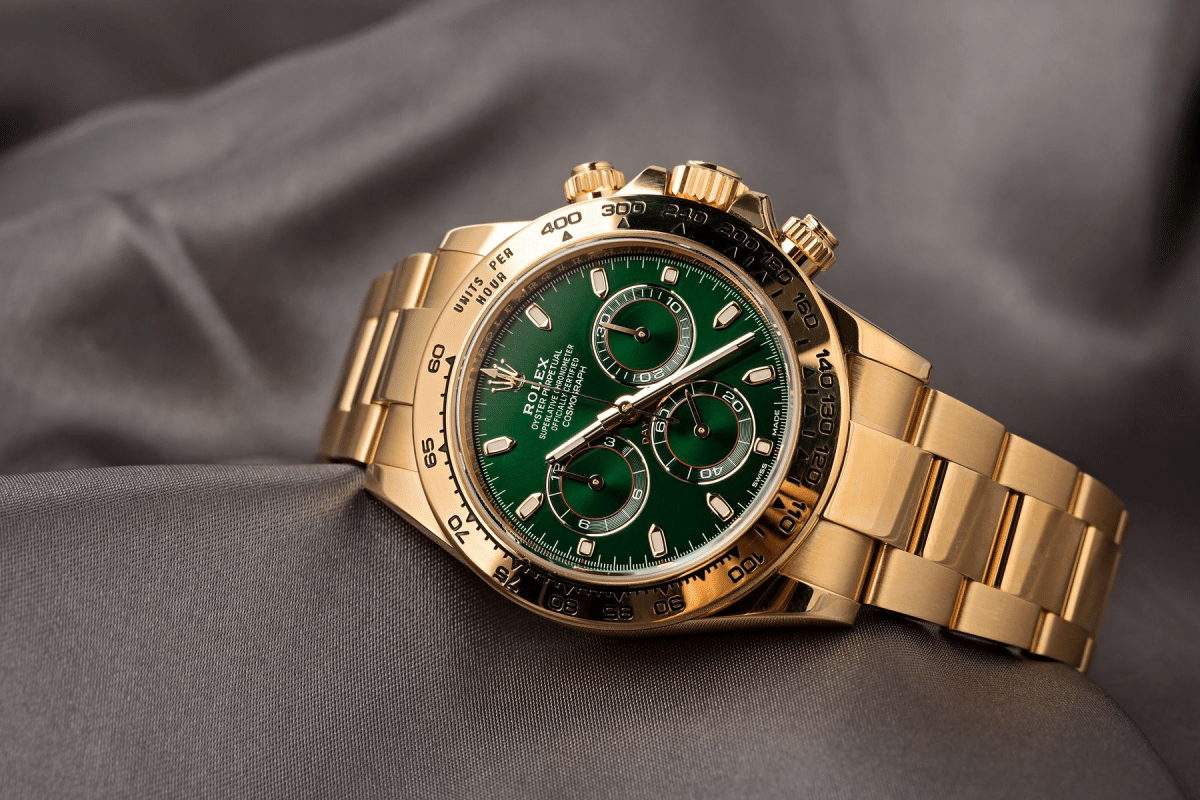
Photography
- Use natural light or professional lighting — position at 45-degree angles to minimize glare
- Capture dial, case back, bracelet, crown, and any unique features
- Include macro shots of dial condition, case hallmarks, and serial numbers
- Show original box and papers in frame when available
Listing Description & Trust-Building
- Include model reference, year of manufacture, complete condition assessment, service history
- Offer detailed condition reports from certified watchmakers
- Share service documentation and authenticity certificates
- Communicate transparently about any known flaws
- Consider escrow services for high-value transactions
Book a private consultation with our certified appraisers before selling or trading up.
FAQ
Yes — current market conditions favor sellers. Steel ceramic bezel models continue commanding nearly double retail pricing (~$25,000–$30,000 vs. $15,500 MSRP). Precious metal variants trade at more moderate premiums. Per WatchCharts, current averages sit around $32,000–$37,000, well above pre-2020 levels.
Vintage Daytonas with exotic “Paul Newman” dials can achieve astronomical prices — Paul Newman’s personal Daytona sold for $17.75 million at Phillips in 2017. Non-celebrity vintage references from the 1970s–80s typically start at $50,000–$100,000, while modern steel models trade in the $25,000–$30,000 range.
Only if the movement runs poorly or hasn’t been serviced in over a decade — authorized service costs $750–$1,200. If it runs well, the service cost may not provide sufficient ROI. Instead, get a written condition assessment from a certified watchmaker as supporting documentation for buyers.
Original box and papers increase resale value by 20–30%. Even without a box, having authentic warranty card and papers significantly boosts buyer confidence and justifies premium pricing given the prevalence of high-quality counterfeits in the Daytona market.
 Free Shipping for all orders