LUXURY WATCH RENTAL
Want to Rent a Watch for an Special Occasion?

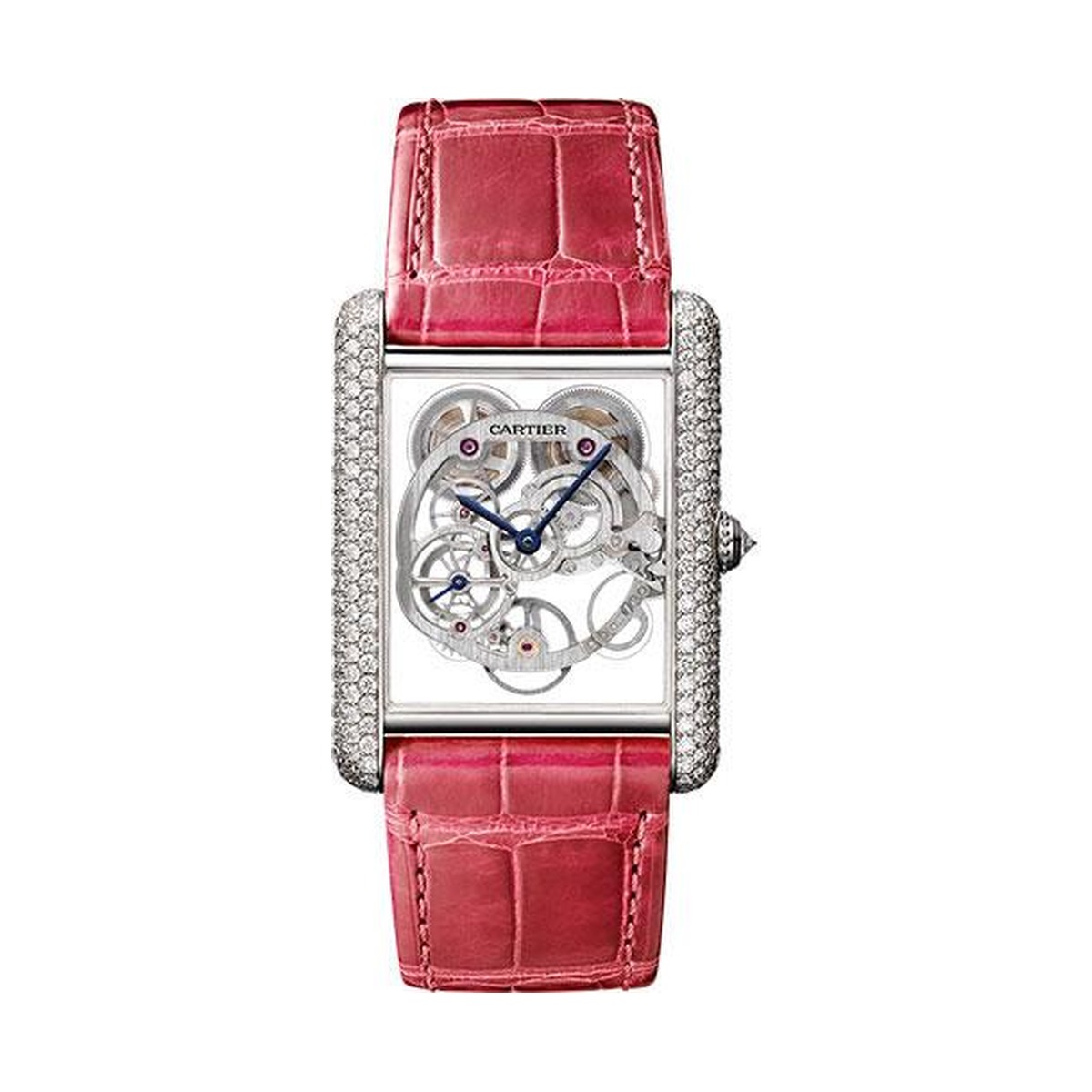
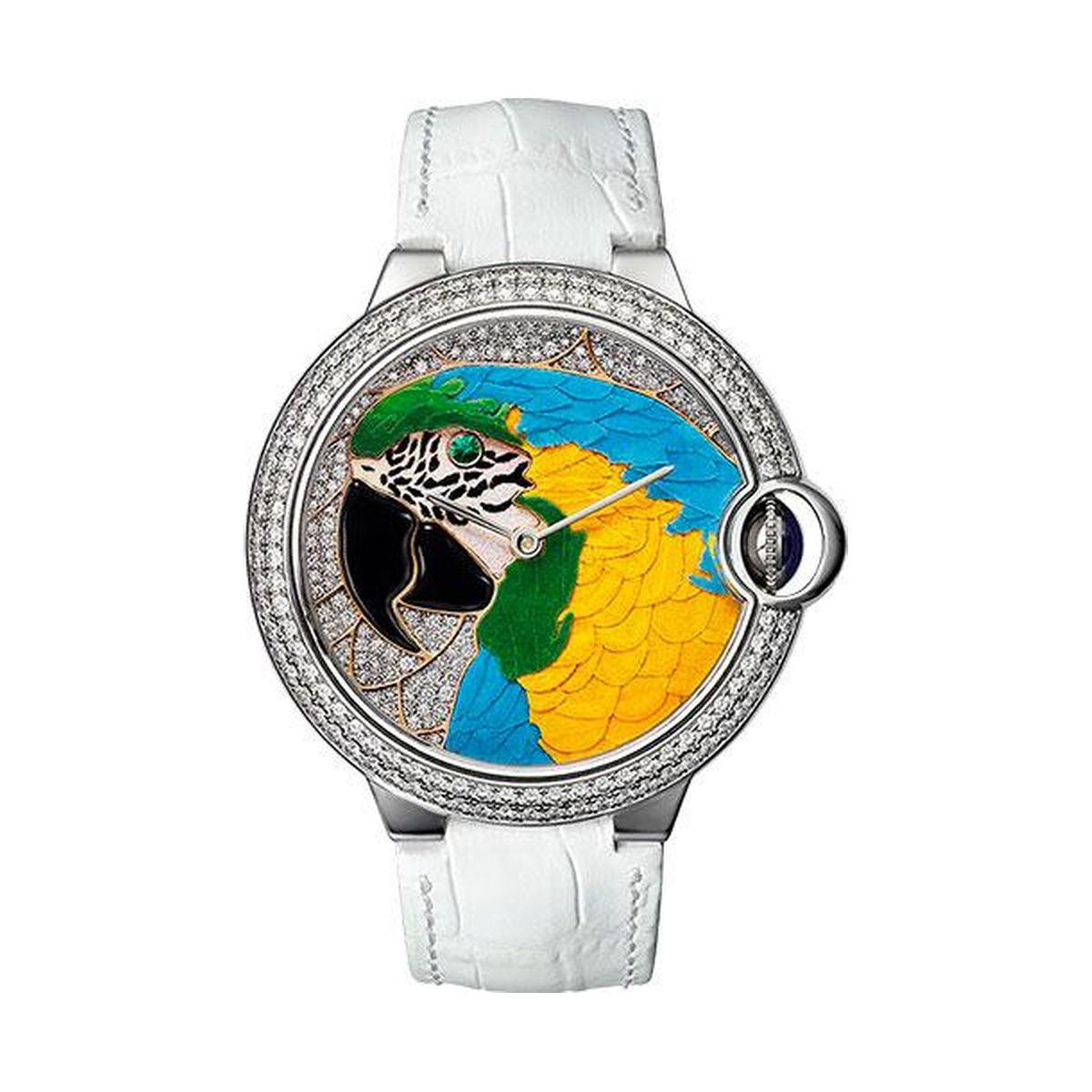
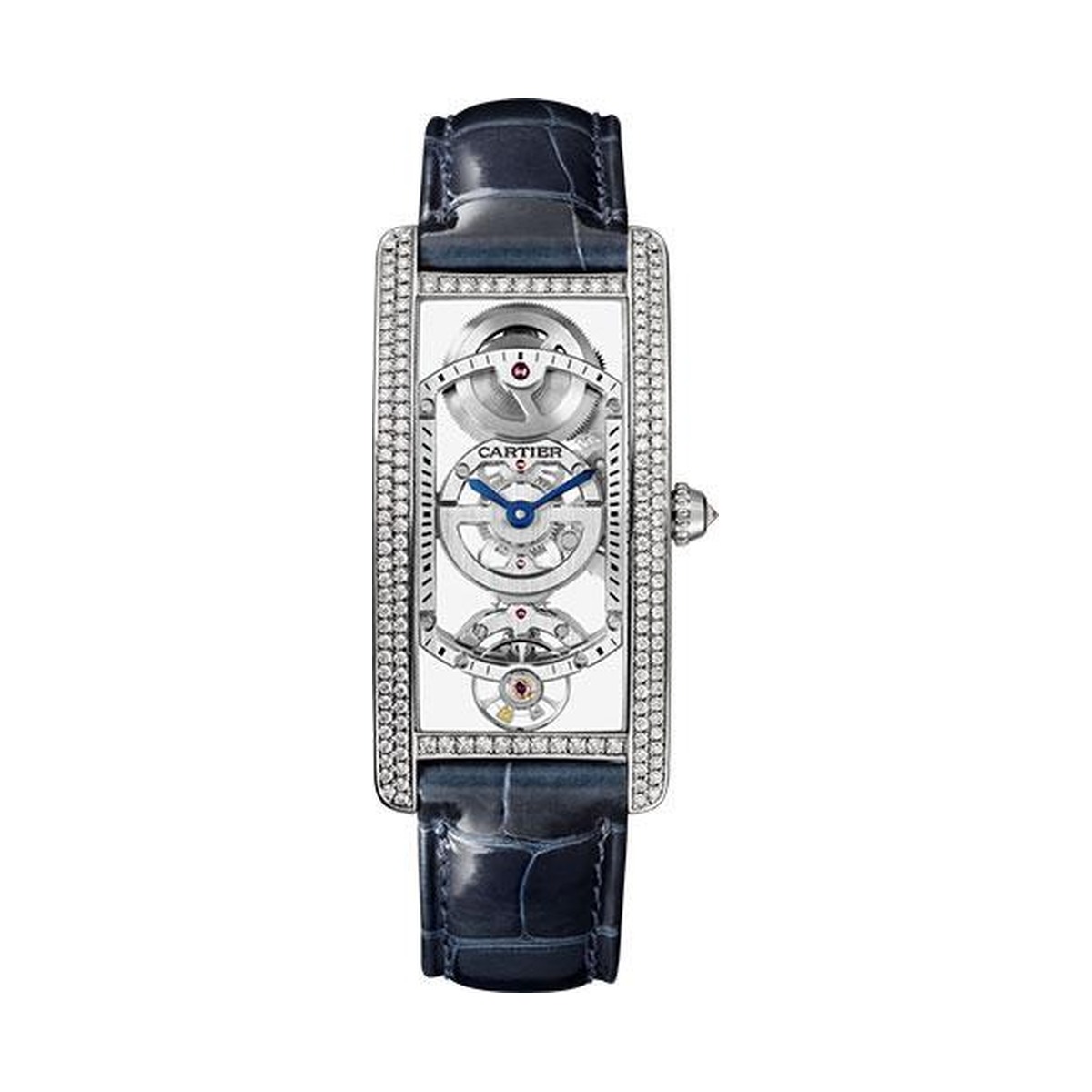
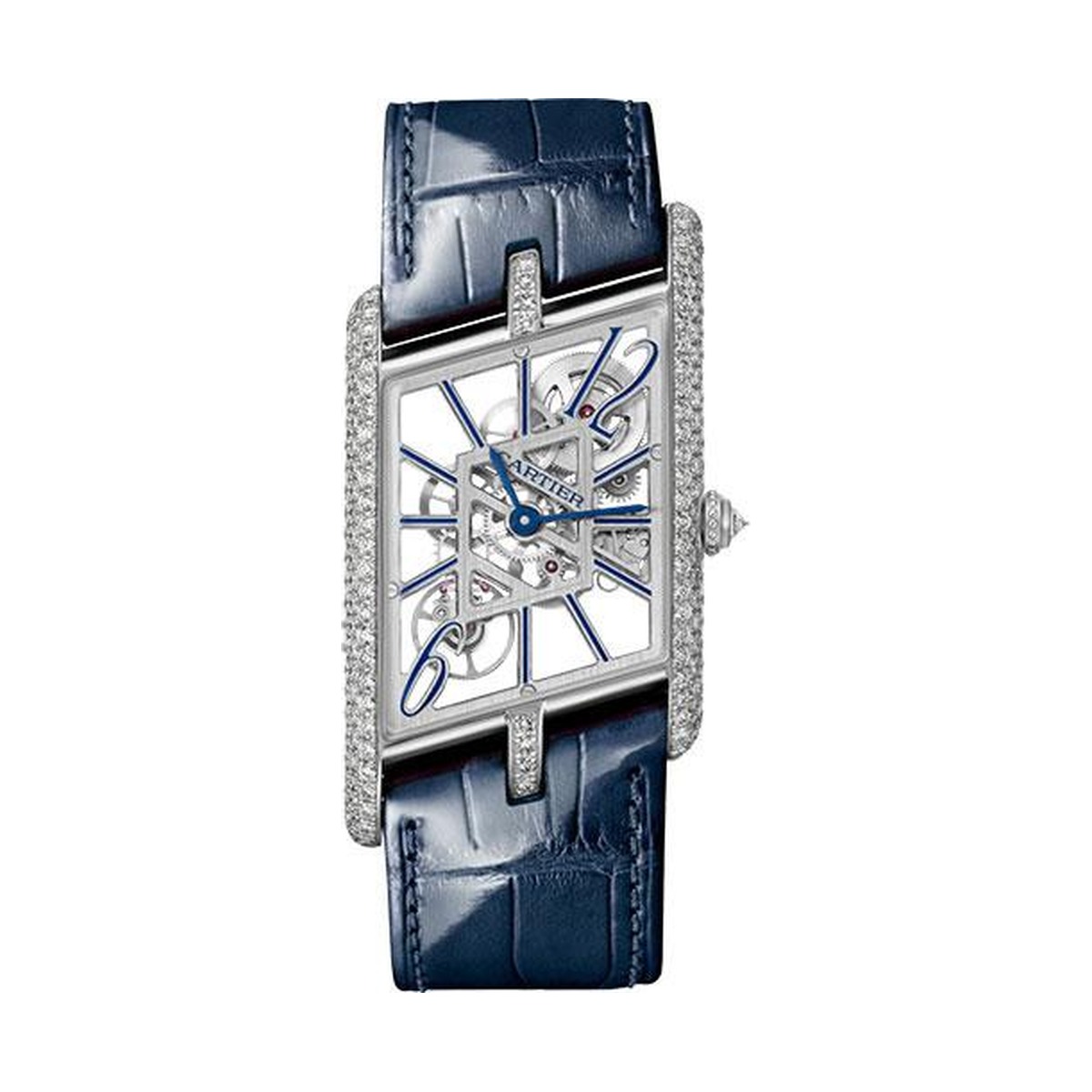
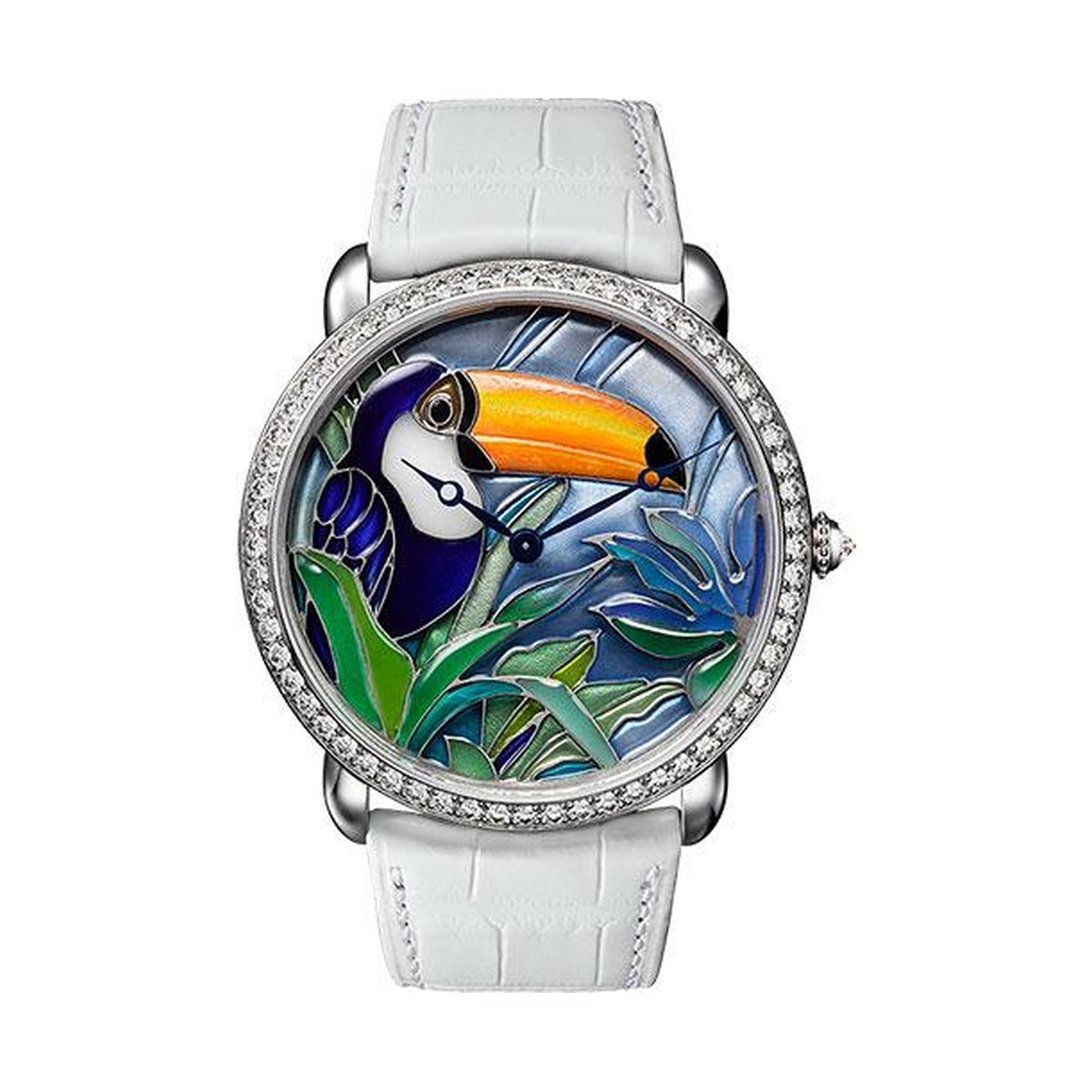
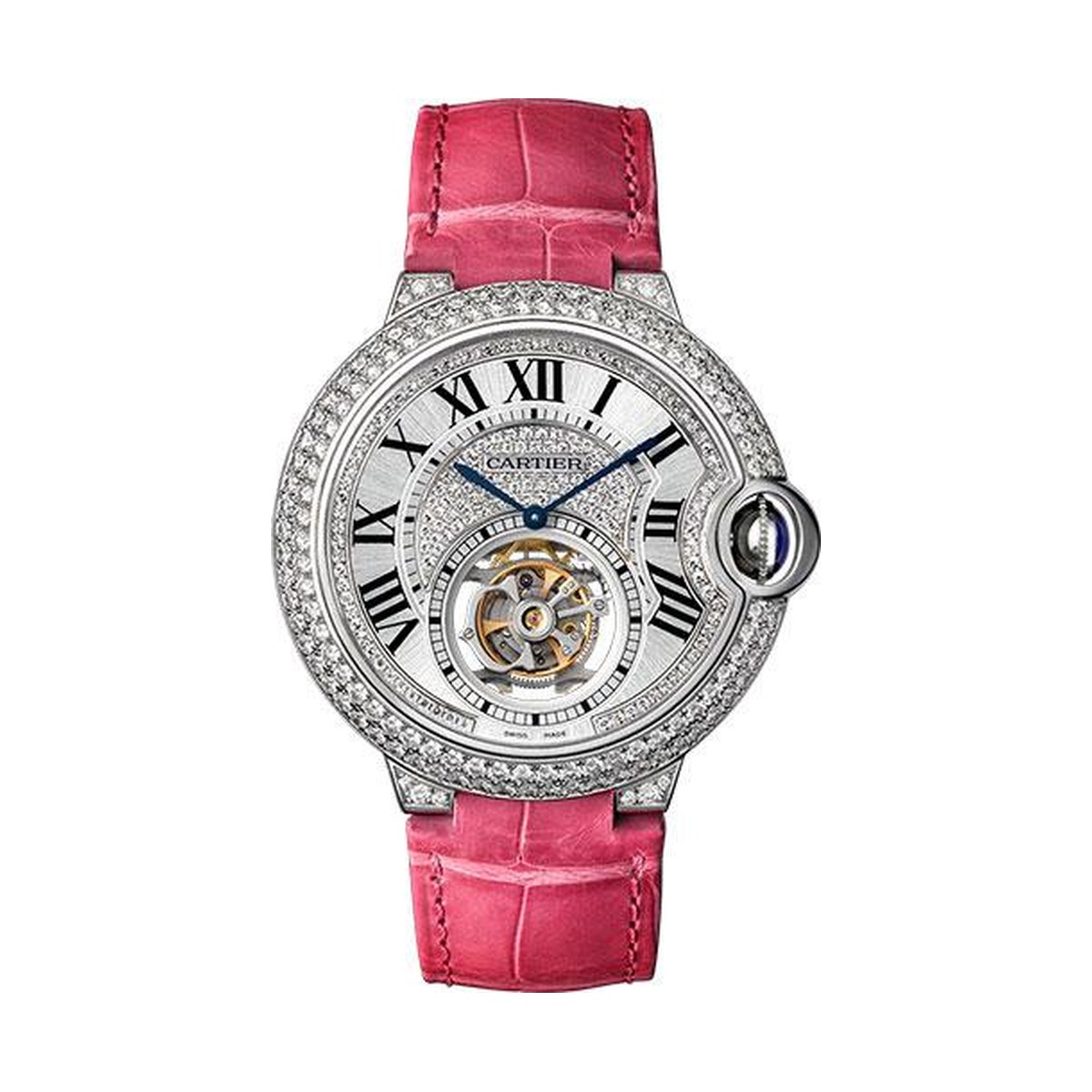
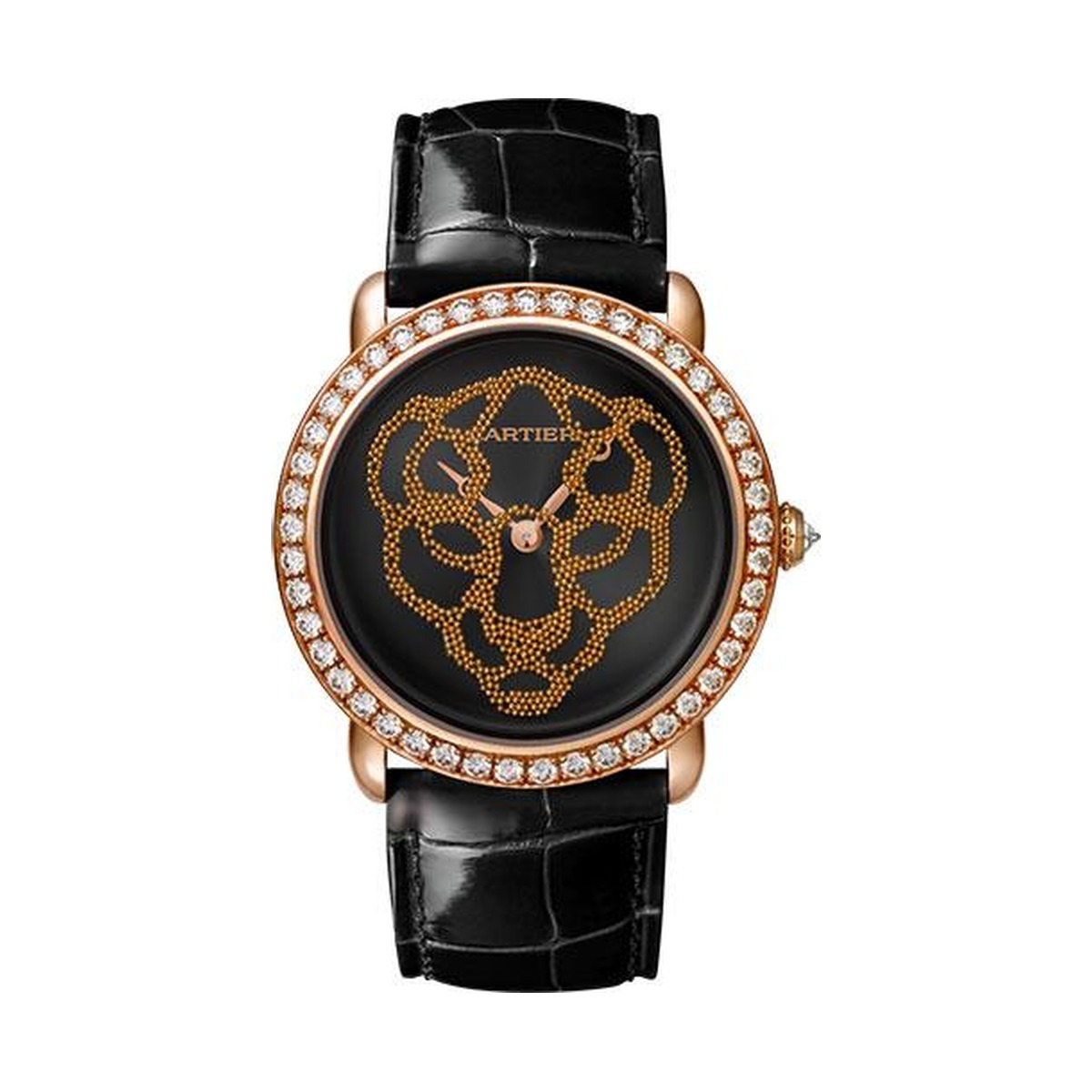
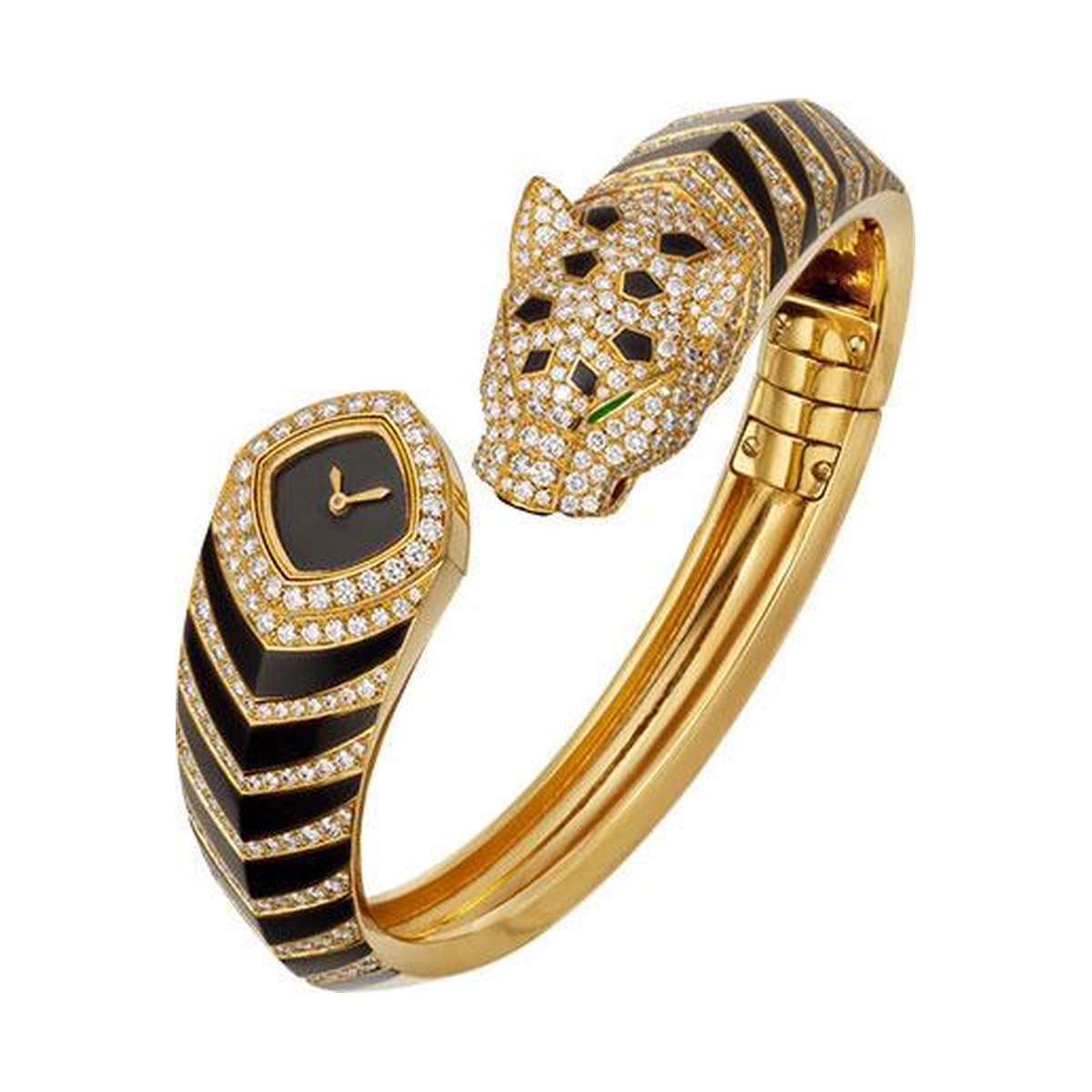
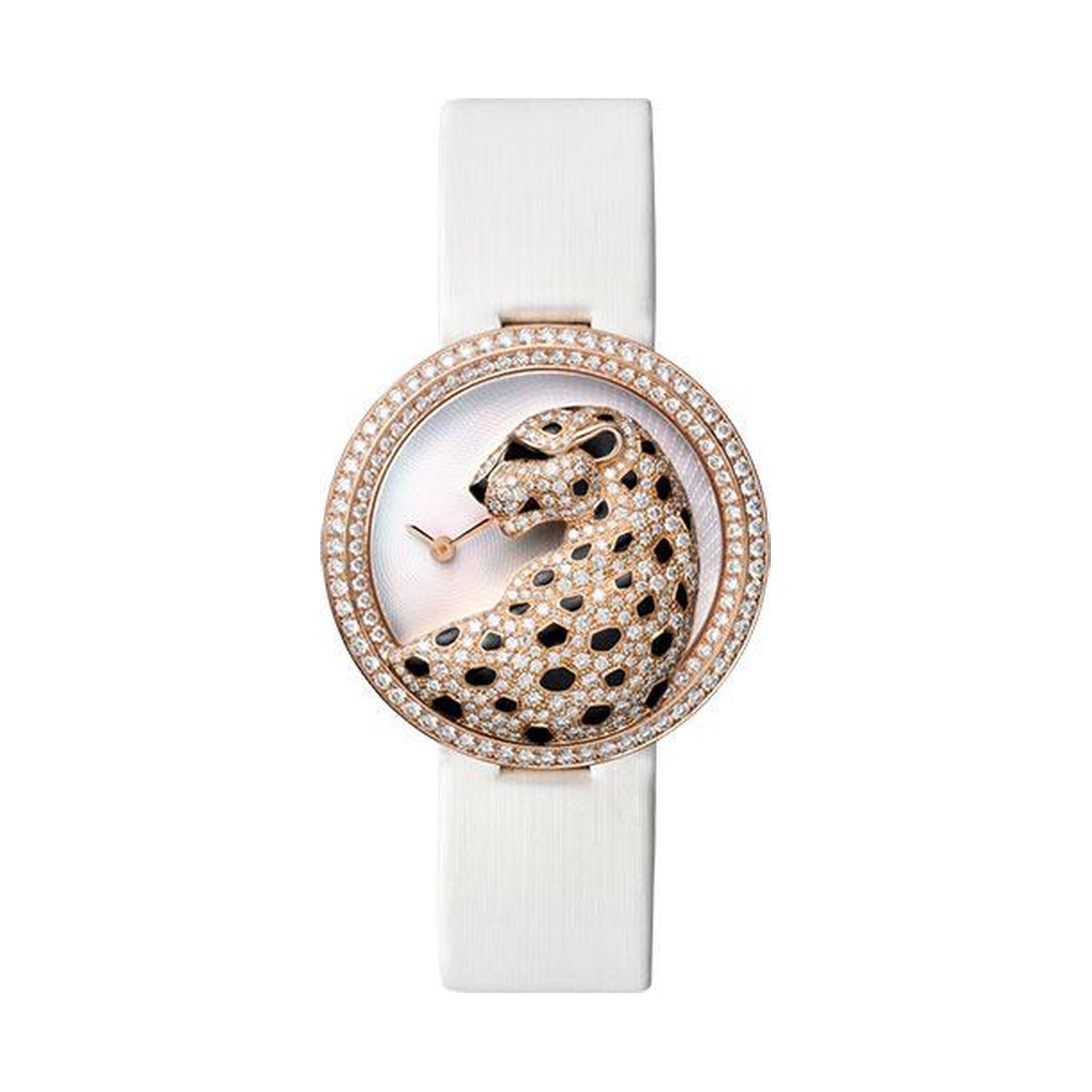
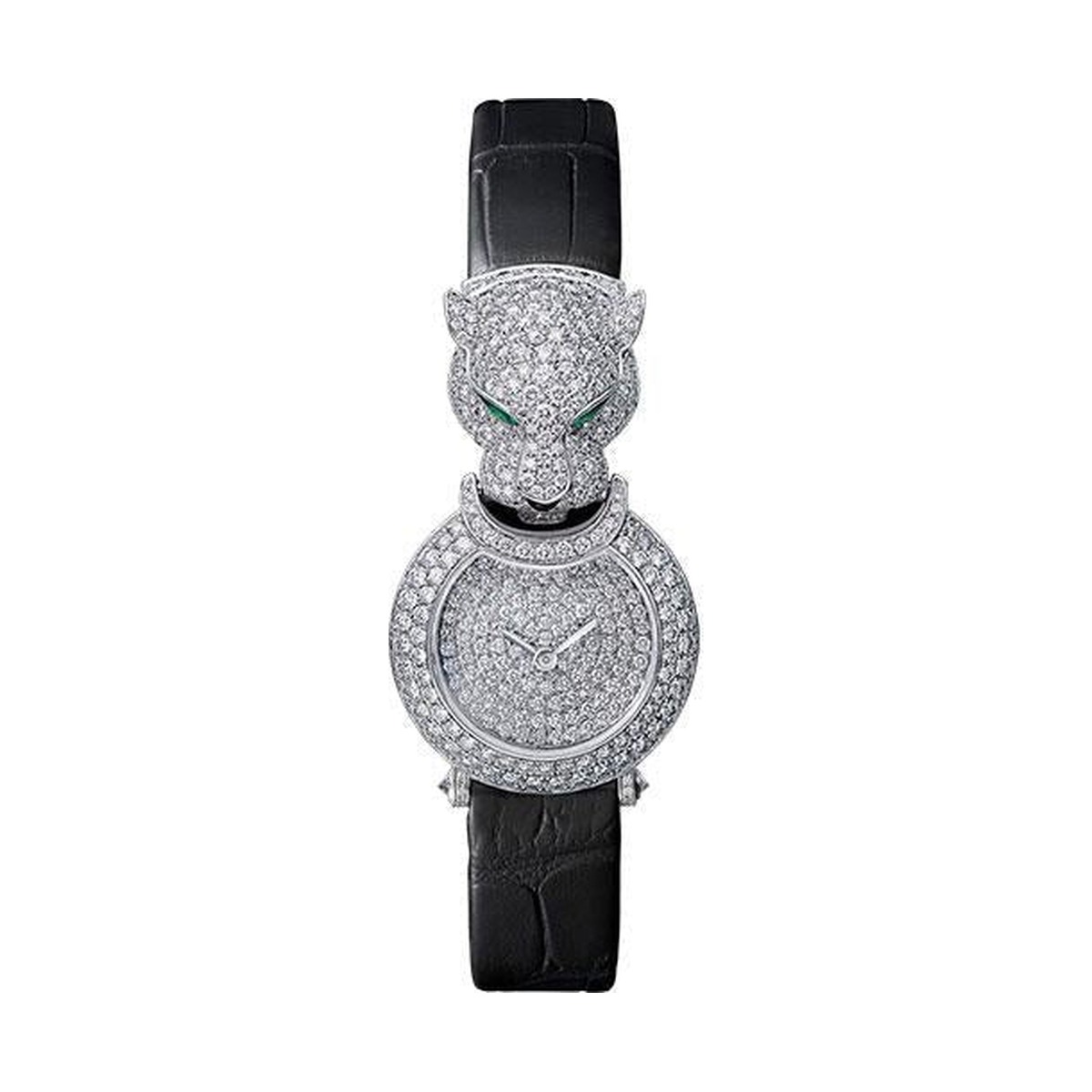
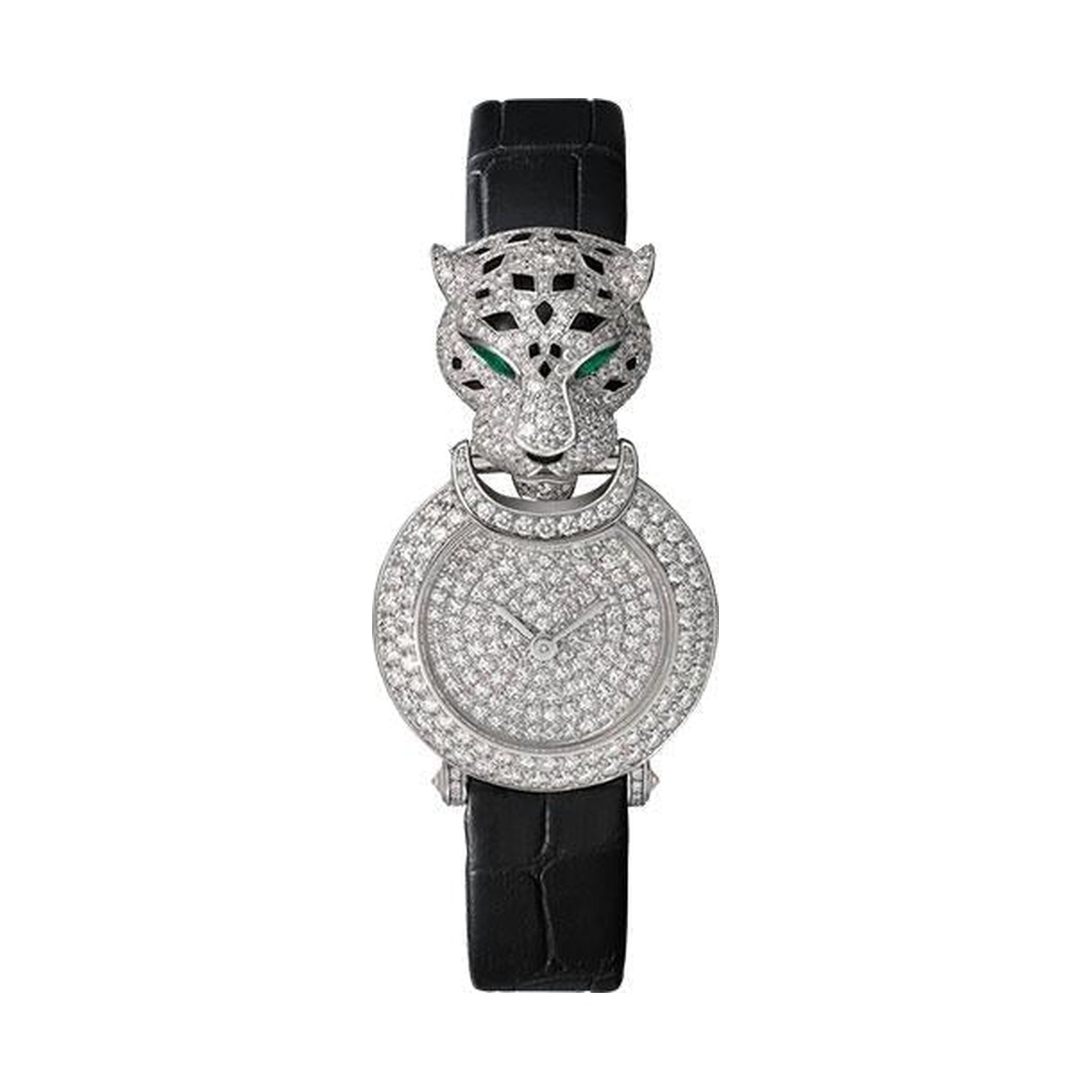
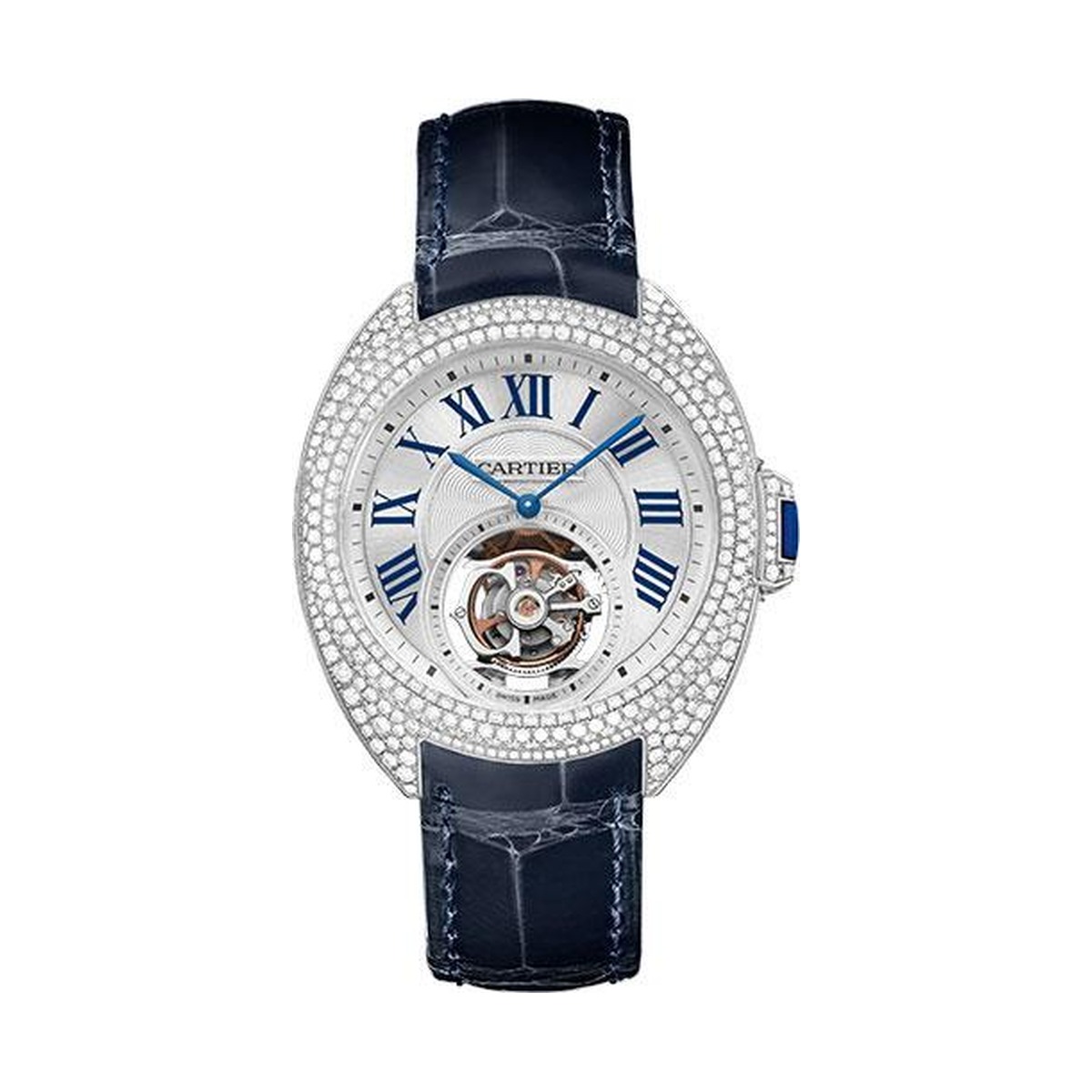
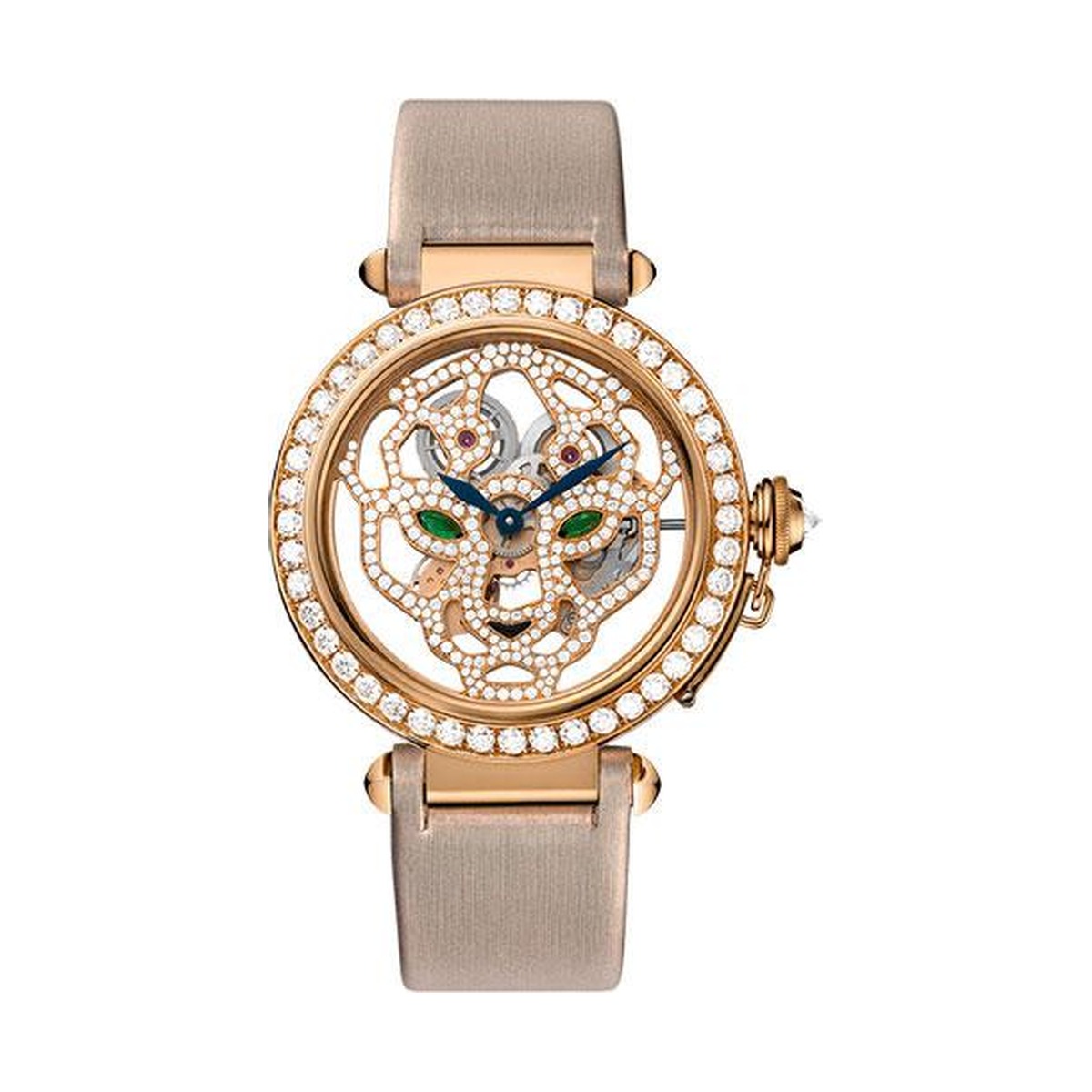
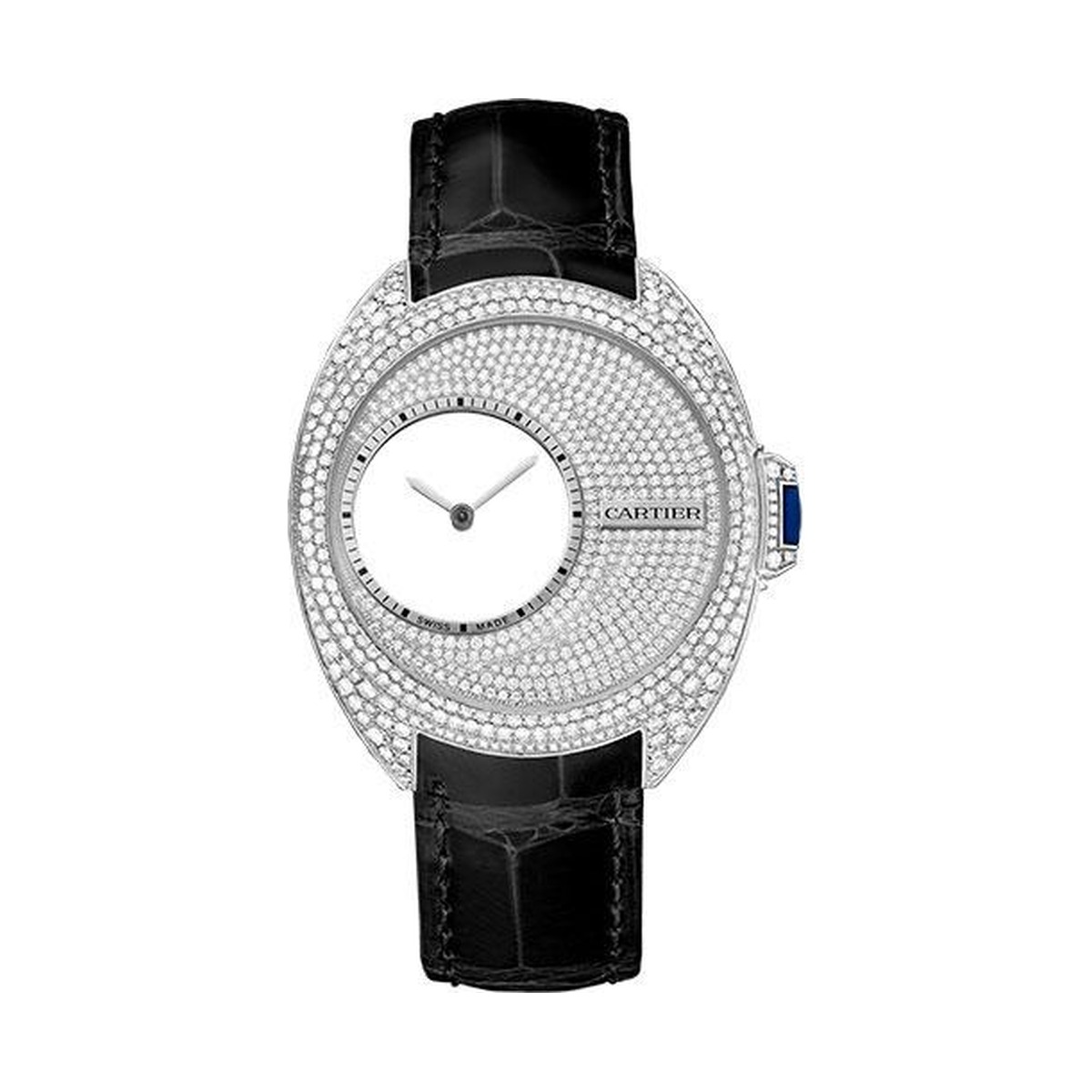
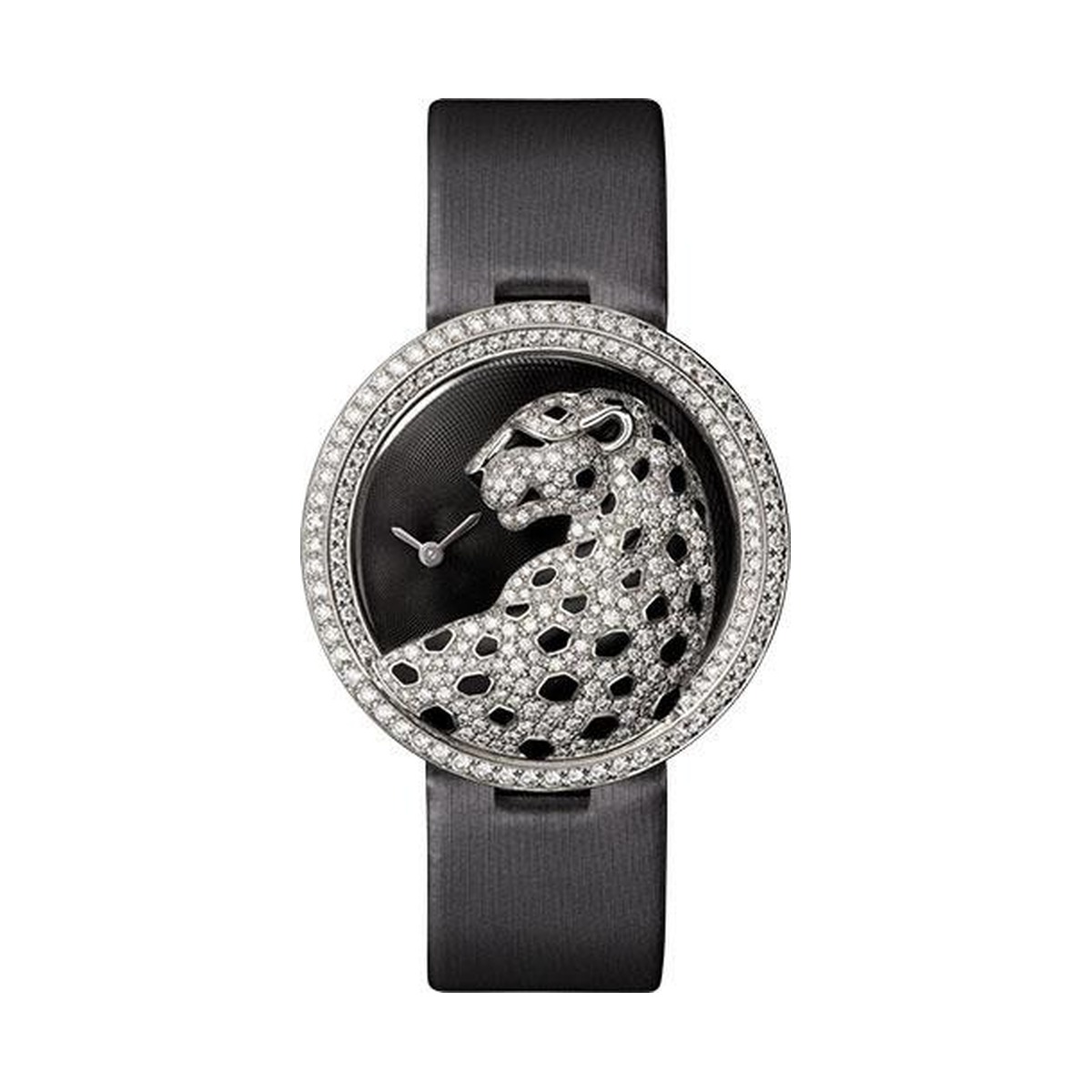
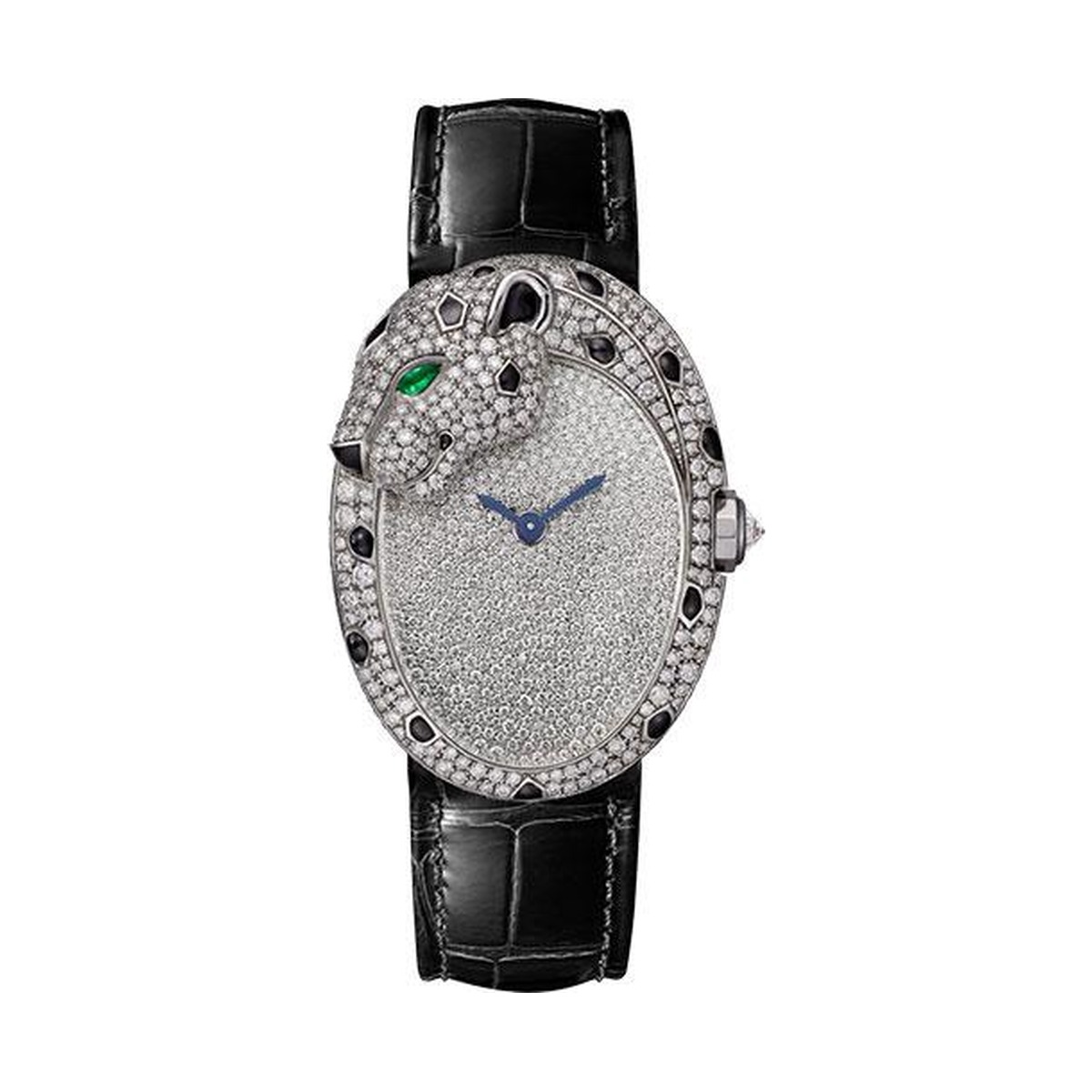
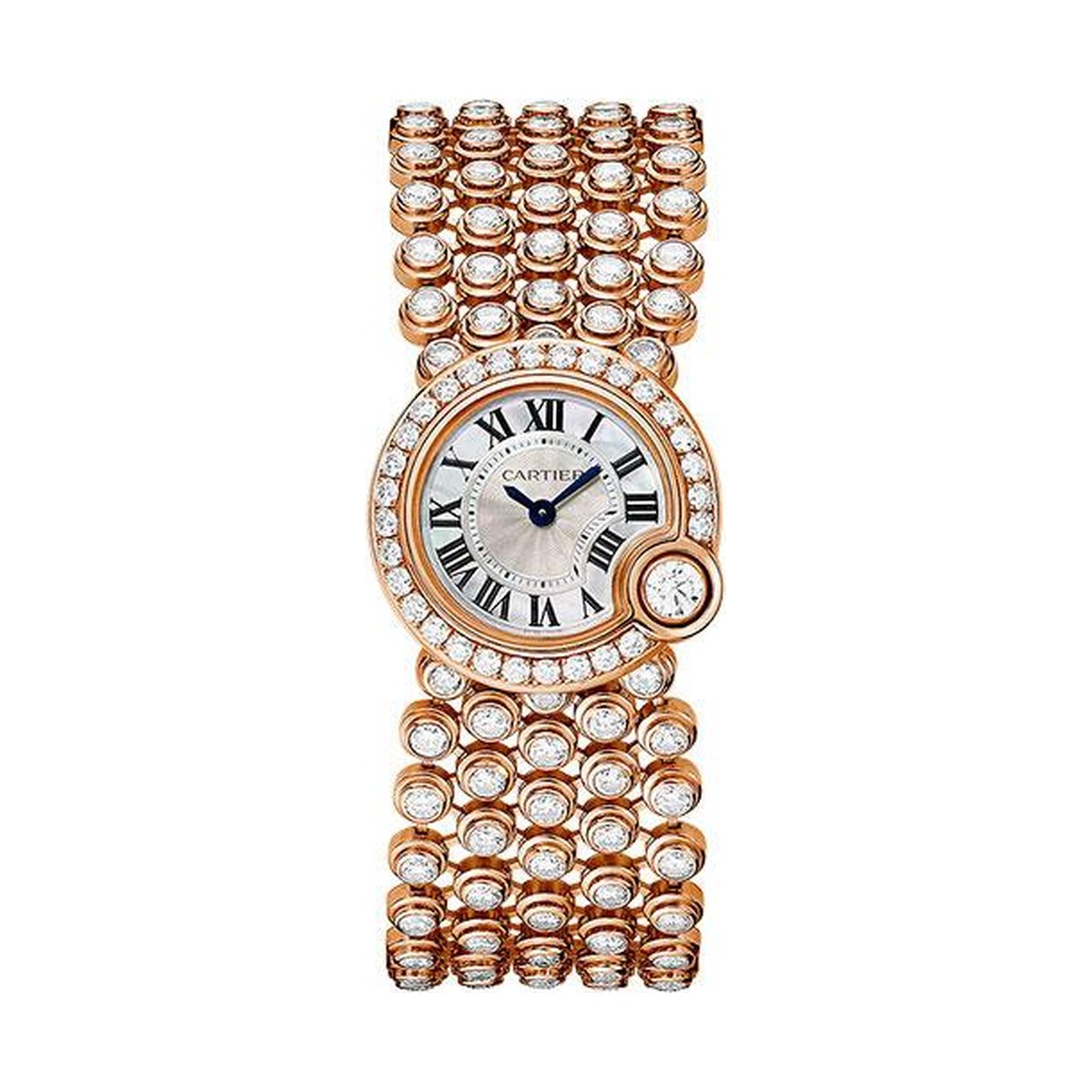
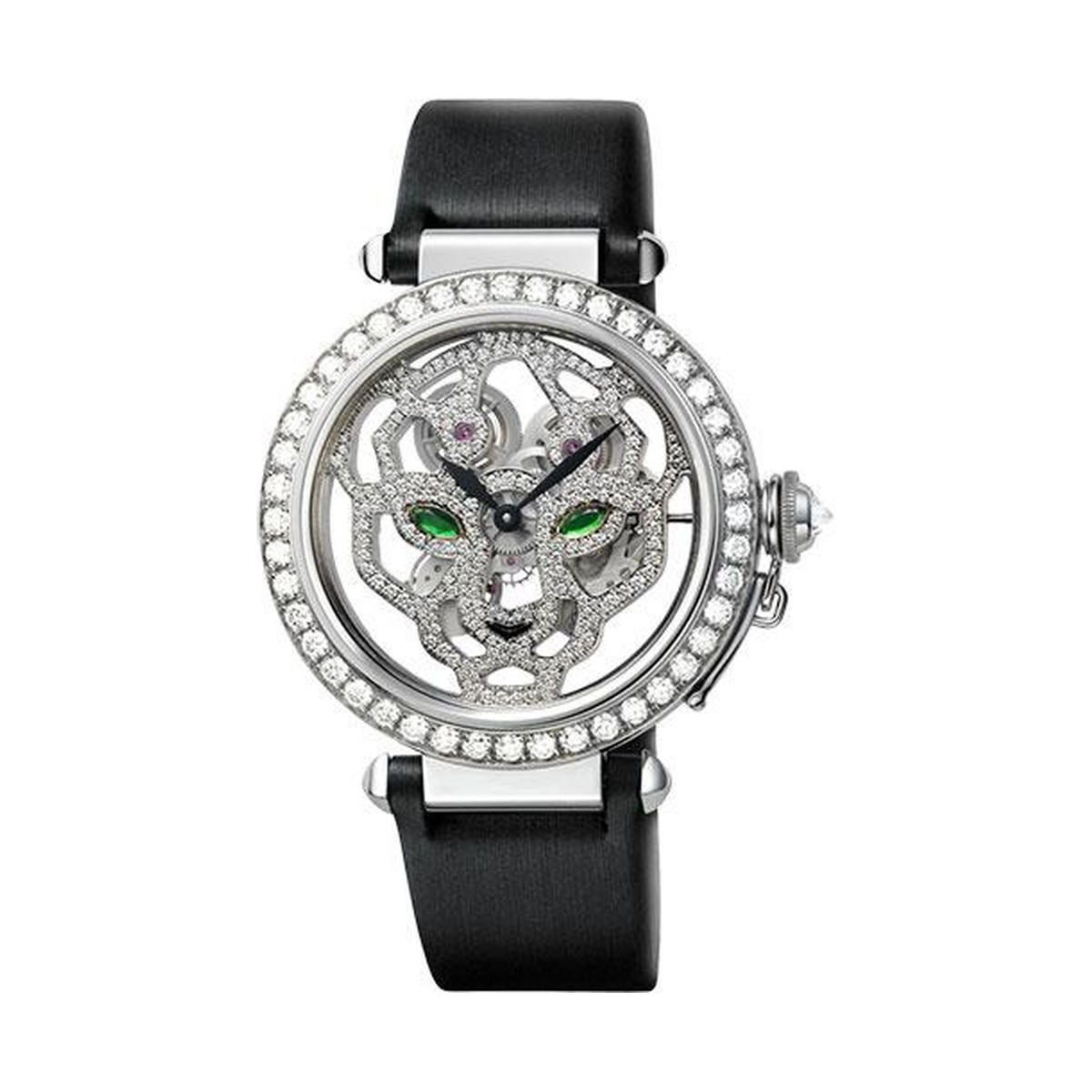
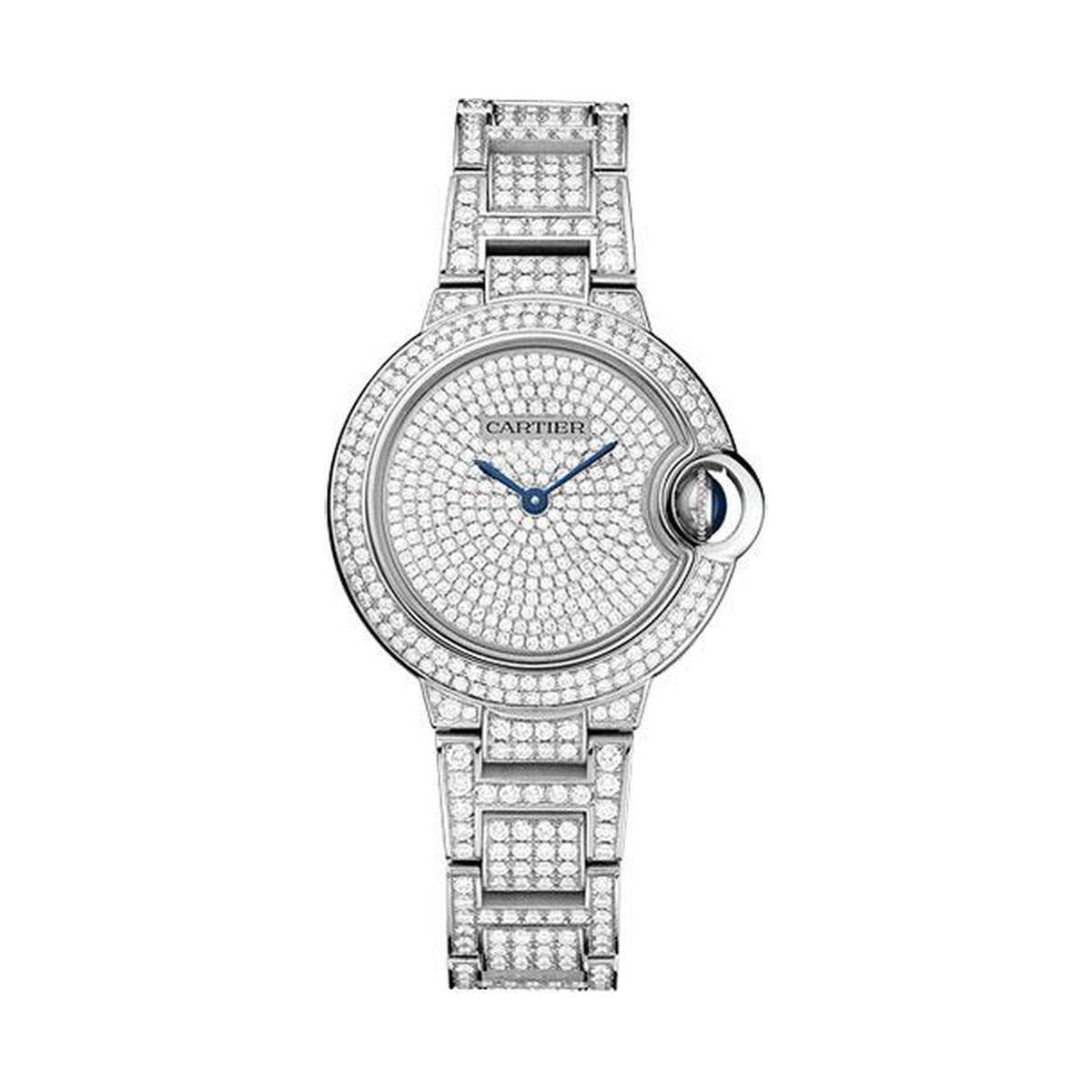
Ballon Bleu
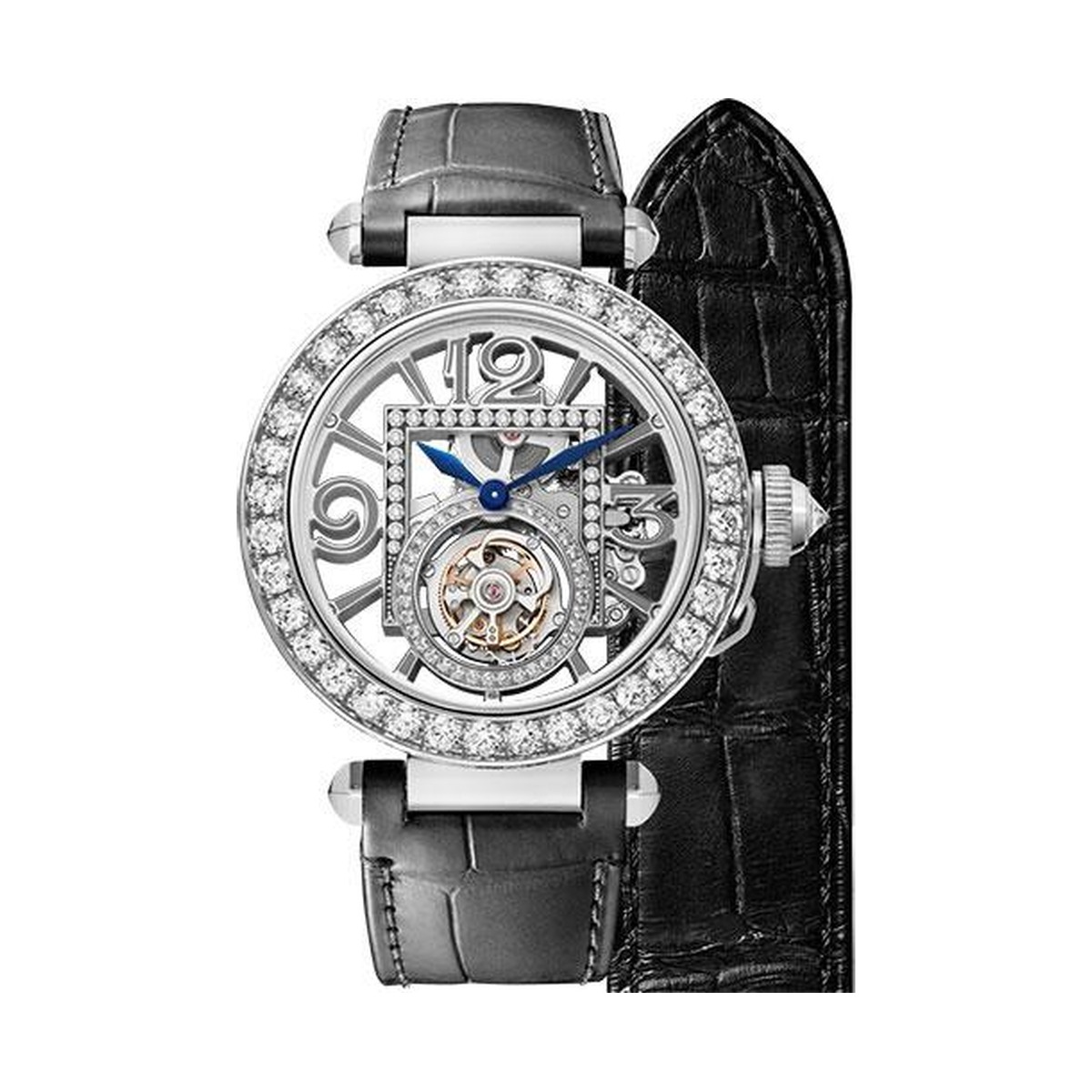
Start with the complete reference and the technique used on the dial. Color alone does not describe enamel, lacquer, guilloché, engraving, marquetry, mother-of-pearl or gem setting. Patek Philippe’s official dial guide explains how several of these methods create different visual depth and surface character. Then compare the case, bezel, bracelet or strap, movement, condition and documentation of the exact watch.
The Cartier Ballon Bleu WE902026 listing is currently shown at $23,450. The other examples below illustrate different families and decorative approaches; open each listing to review its current purchase details.
| Reference | Watch | What to compare |
|---|---|---|
| WE902026 | Cartier Ballon Bleu de Cartier | Dial, bezel, bracelet, movement and condition |
| 5077P-089 | Patek Philippe Calatrava Rare Handcrafts | Decorative technique, motif and documentation |
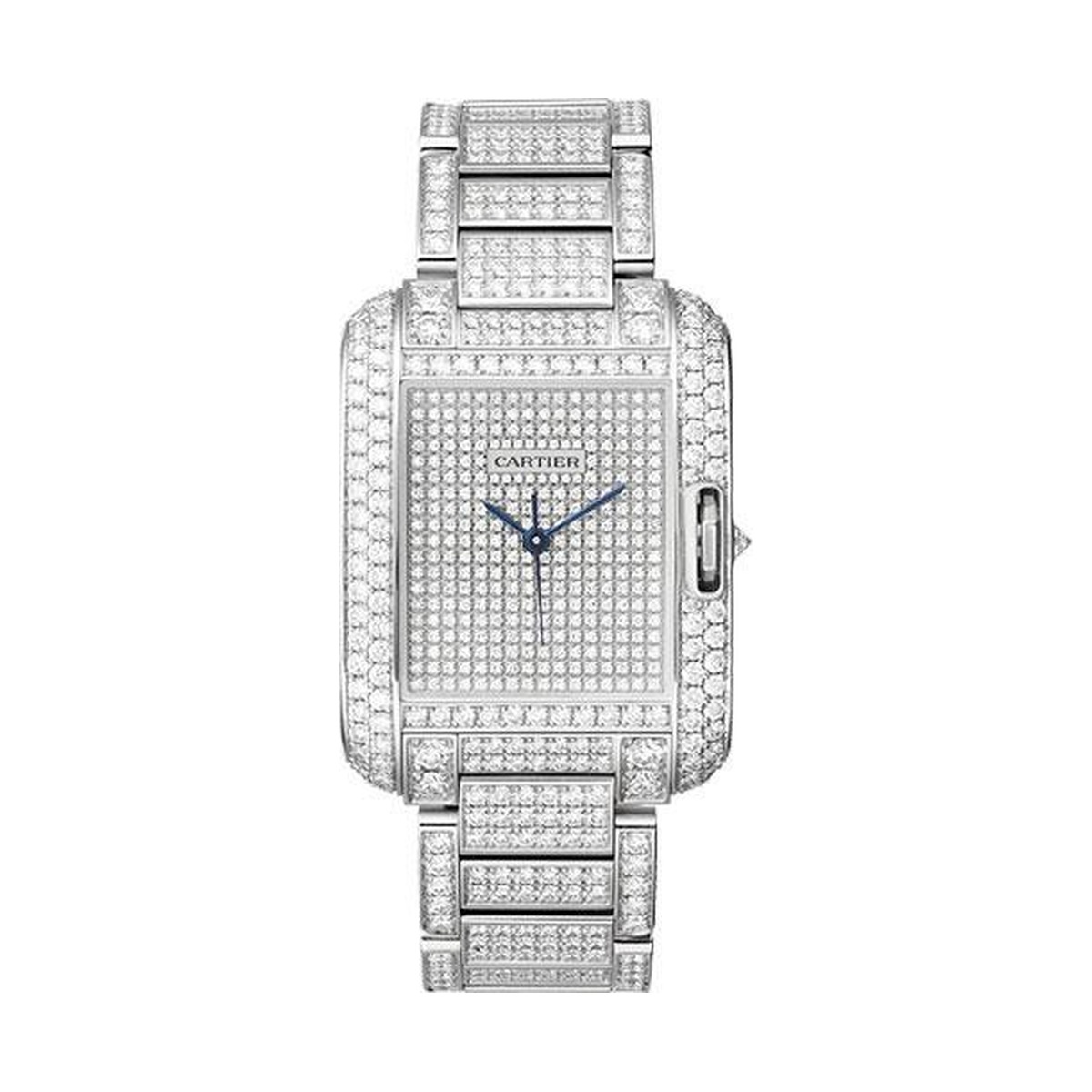
| 5719/10R-010 | Patek Philippe Nautilus | Gem setting, dial layout and bracelet configuration |
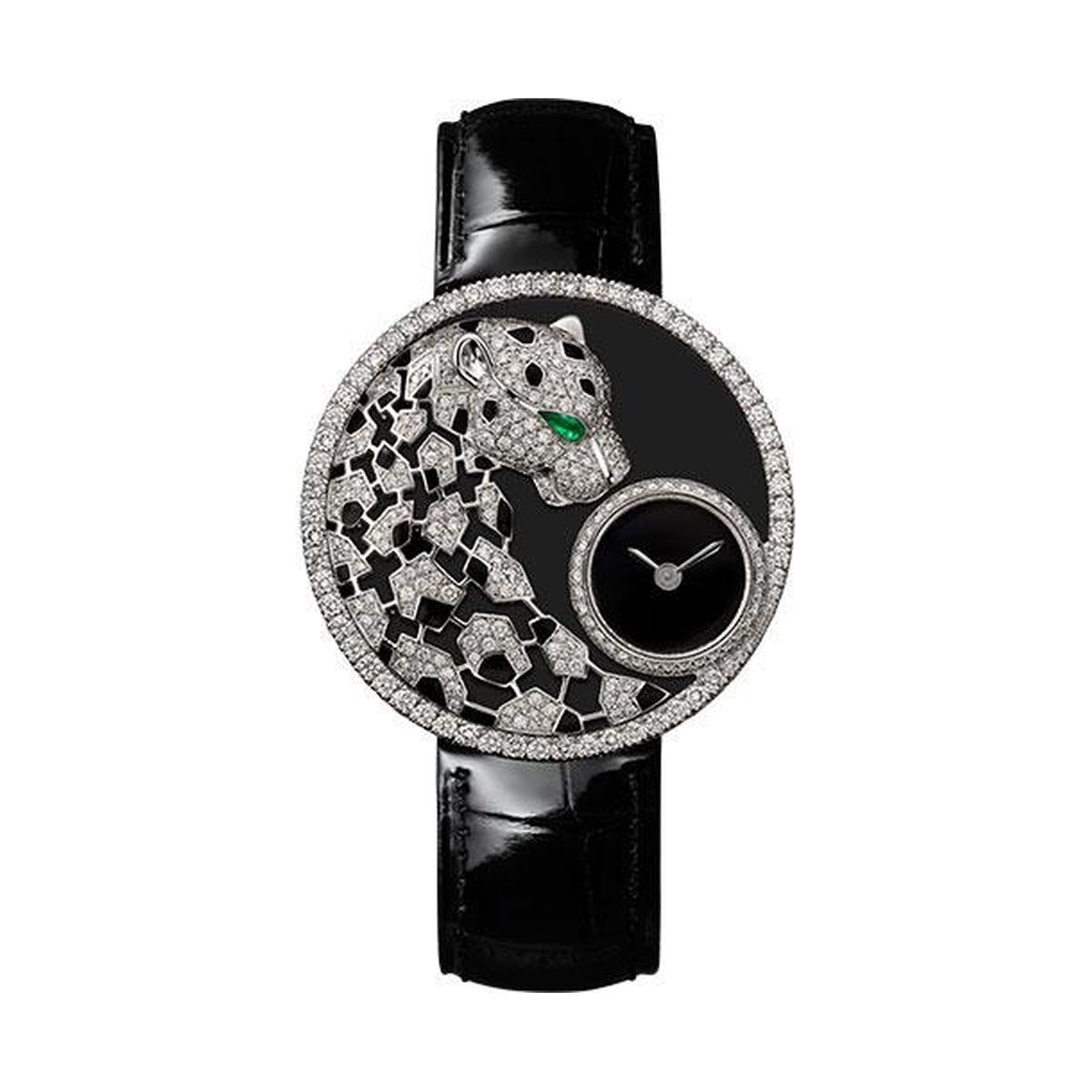
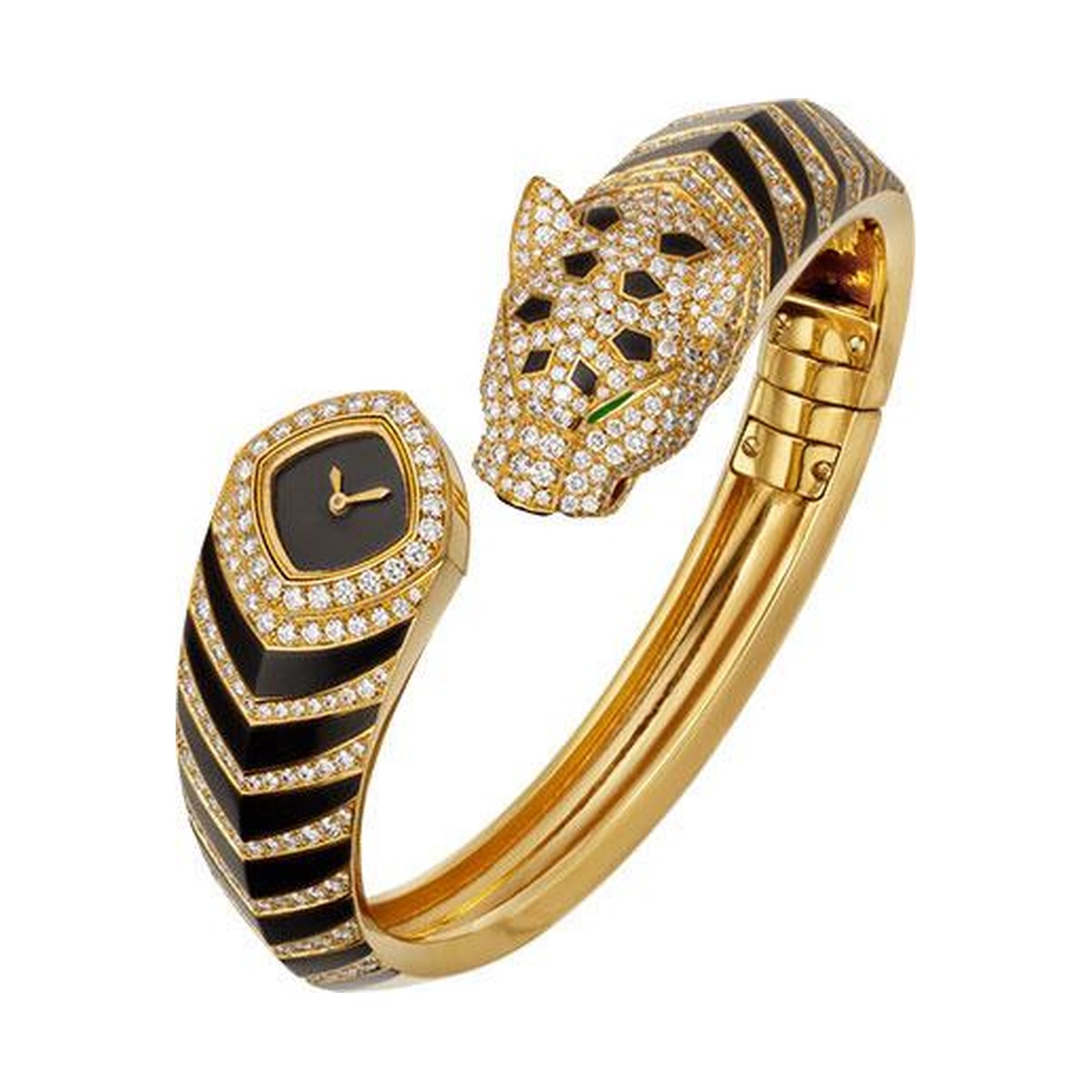
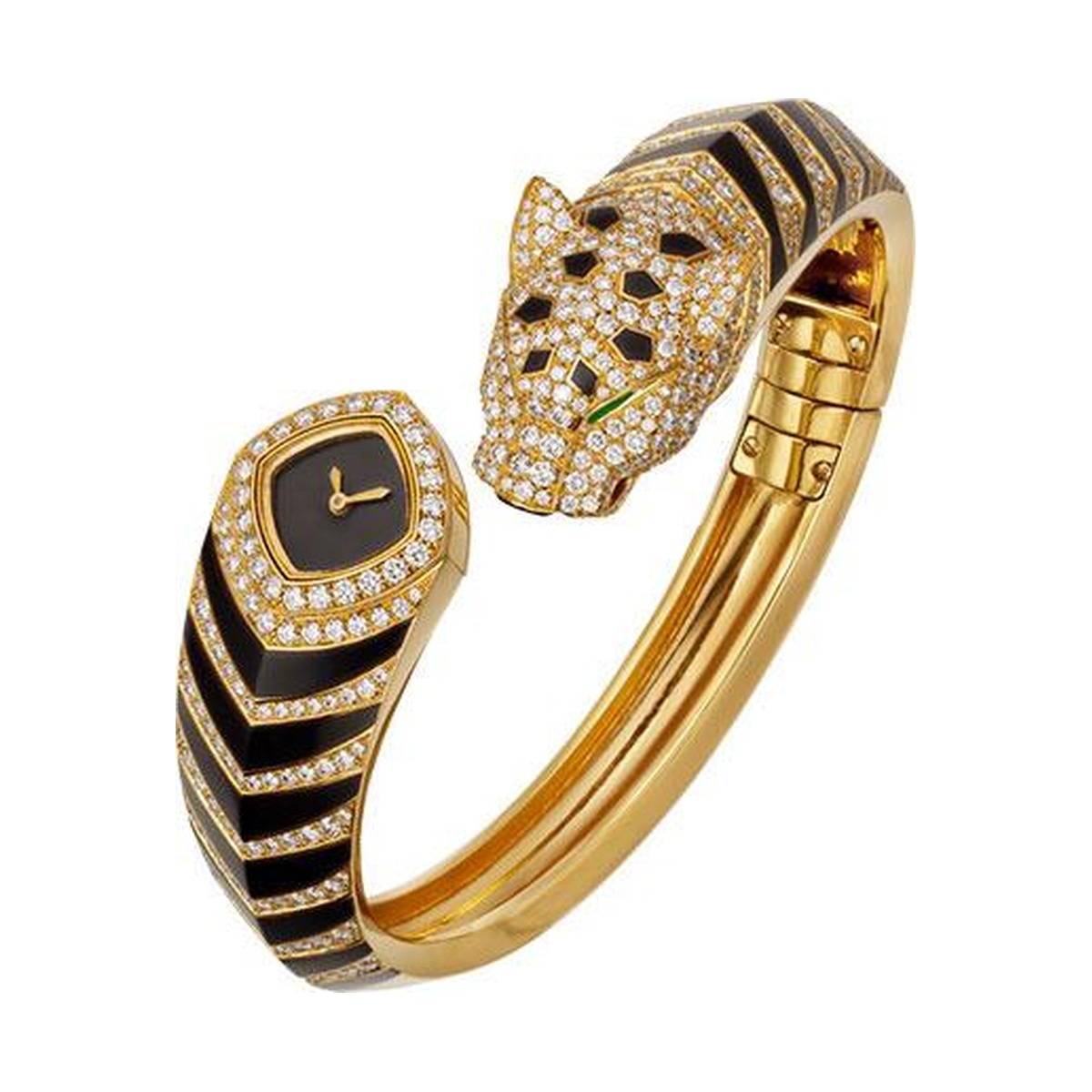
| HPI00930 | Cartier Rêves de Panthères | Motif, setting details and case construction |
| 178158 | Rolex Datejust 31 | Full reference, dial, bezel and bracelet |
| 118339 | Rolex Day-Date 36 | Dial and setting origin, metal and condition |
Decorative dials can be created with several techniques, sometimes combined on the same watch. Enamel and lacquer build color differently; guilloché and engraving create texture; marquetry forms an image from precisely assembled materials; and gem setting changes both the light response and the way the dial must be evaluated. Patek Philippe describes enameling, engraving, guilloché, gem setting and marquetry among the techniques used in its Rare Handcrafts work.
A factory gem-set configuration and a watch modified after leaving the manufacturer are not equivalent. Match the full reference to manufacturer specifications and read the listing for explicit information about the dial, bezel, bracelet, stones and setting origin. The official Rolex gem-set watch finder provides examples of documented current configurations, but the exact watch being considered must still be evaluated on its own reference and condition.
Review the dial for chips, cracks, refinishing, moisture damage, missing stones or replaced elements. Confirm whether the dial and settings are original to the reference, and compare the written description with the photographs. For rare or highly decorated pieces, supporting documents, service history and a clear condition report can be as important as the visual design.
A decorative dial uses color, texture, gem setting, engraving, enamel, lacquer, guilloché, marquetry or a figurative motif as a major part of the watch’s design. The exact technique should be confirmed for the individual reference.
No. Watches on the secondary market can have factory-set or aftermarket dials and stones. Match the complete reference to manufacturer specifications and look for a clear description of the setting origin.
Inspect for cracks, chips, refinishing, uneven surfaces and moisture damage, and confirm the stated technique. Enamel and lacquer are different processes and should not be treated as interchangeable descriptions.
The full reference helps identify the intended case, movement, dial and setting configuration. Similar-looking watches can differ in production period, materials, factory specification and service options.
Original papers, service records, manufacturer extracts where available, invoices for disclosed customization and a detailed condition report can help establish the exact configuration and history.
 Free Shipping for all orders